Introduction
Creating a home that feels beautiful, organized, and comfortable doesn’t always require an expensive renovation or professional designer. The philosophy behind interior design drhomey focuses on practical improvements that enhance everyday living while maintaining a stylish appearance. Instead of following short-lived decorating trends, this approach emphasizes functionality, balanced layouts, smart storage, quality materials, and thoughtful design decisions.
Whether you live in a compact apartment or a spacious family home, interior design drhomey helps transform every room into a space that supports your lifestyle. By combining natural light, carefully selected furniture, calming colors, efficient organization, and sustainable materials, you can create an inviting environment that looks elegant and works efficiently. This guide explains everything you need to know to design a home that is attractive, practical, and built to last.
What Is Interior Design DrHomey?
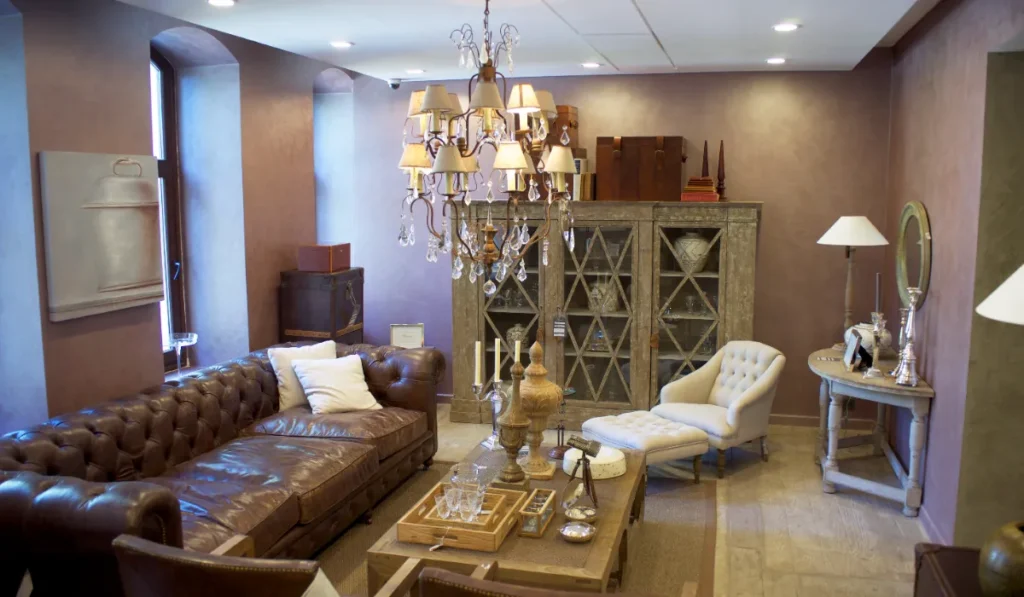
Interior design drhomey is a modern home design philosophy that combines aesthetics with functionality. Instead of decorating purely for appearance, it focuses on creating living spaces that improve comfort, productivity, and daily routines.
This approach encourages homeowners to make intentional design choices rather than filling rooms with unnecessary furniture or decorative items. Every piece should serve a purpose while contributing to the overall harmony of the space.
Unlike traditional interior decorating, which often follows temporary trends, interior design drhomey promotes timeless layouts, durable materials, and thoughtful planning that remain attractive for years.
Why Interior Design DrHomey Is Becoming Popular
Today’s homes serve many purposes. They are workplaces, entertainment areas, study rooms, and places to relax. Because of these changing lifestyles, homeowners now value interiors that improve daily living instead of simply looking impressive.
Some of the main reasons people choose this design approach include:
- Better organization
- Improved space utilization
- Reduced visual clutter
- Comfortable room layouts
- Lower maintenance costs
- Increased property value
By prioritizing function before decoration, homeowners create interiors that remain useful as their needs change.
Core Principles of Interior Design DrHomey
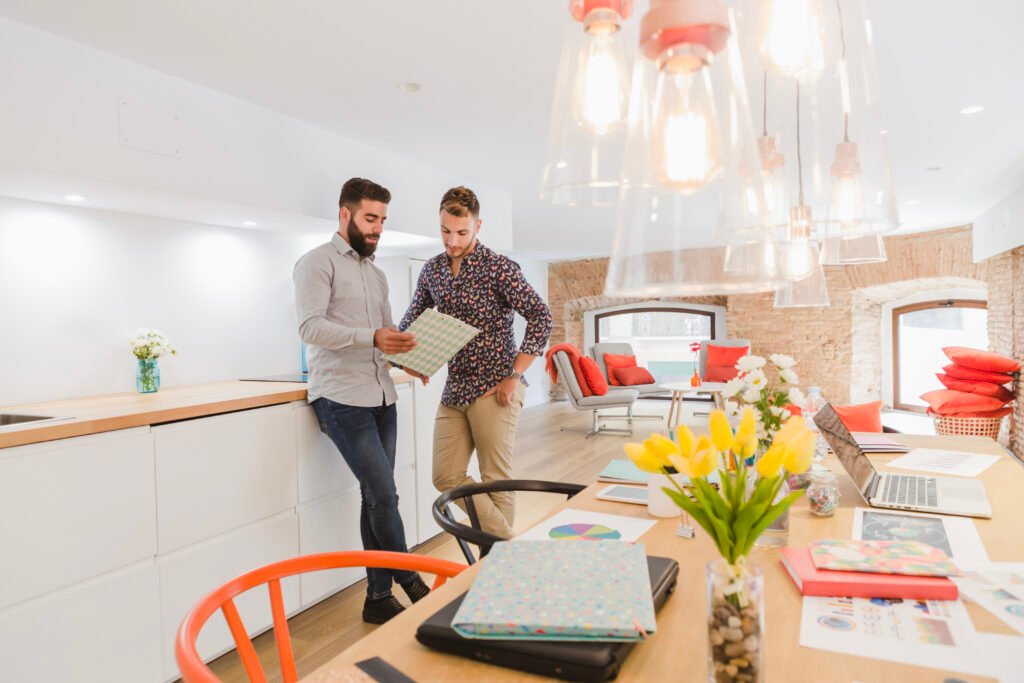
Successful interiors share several common characteristics that create balance and comfort throughout the home.
Design Around Daily Living
Before purchasing furniture or choosing decorative accessories, determine how each room will actually be used. A family living room requires different planning than a quiet reading space or a home office.
When every design decision supports daily activities, rooms become easier to maintain and more enjoyable to use.
Choose Quality Over Quantity
Rather than purchasing numerous inexpensive items, invest in fewer pieces made from durable materials such as solid wood, natural stone, linen, and metal. High-quality furniture lasts longer, looks better with age, and reduces replacement costs.
Maintain Open Layouts
Rooms should feel spacious rather than overcrowded. Leave enough walking space between furniture, avoid blocking windows, and limit unnecessary decorations that create visual clutter.
The 60-30-10 Color Rule
One of the most effective principles used in interior design drhomey is the 60-30-10 rule.
| Color Distribution | Purpose | Example |
|---|---|---|
| 60% | Primary Color | Walls, Large Sofa |
| 30% | Secondary Color | Curtains, Chairs |
| 10% | Accent Color | Cushions, Artwork, Decorative Items |
This simple formula creates visual balance while allowing enough flexibility to add personality through accessories and artwork.
Choosing Colors Based on Natural Light

Natural light significantly influences how paint colors appear throughout the day.
- North-facing rooms: Choose warm whites, greige, or soft beige to offset cooler daylight.
- South-facing rooms: Soft gray, sage green, and cool white help balance warm sunlight.
- East-facing rooms: Neutral colors perform well because morning light is brighter than afternoon light.
- West-facing rooms: Adaptable neutrals prevent interiors from feeling overly warm during the evening.
Testing paint samples directly on your walls before making a final decision helps avoid expensive mistakes.
Layered Lighting Creates Better Interiors
Lighting has one of the greatest impacts on how a room feels. Instead of relying on a single ceiling fixture, combine three lighting layers.
- Ambient Lighting: General illumination from ceiling lights or recessed fixtures.
- Task Lighting: Focused lighting for reading, cooking, or working.
- Accent Lighting: Decorative lighting that highlights artwork, shelves, or architectural features.
Room-by-Room Interior Design DrHomey Guide
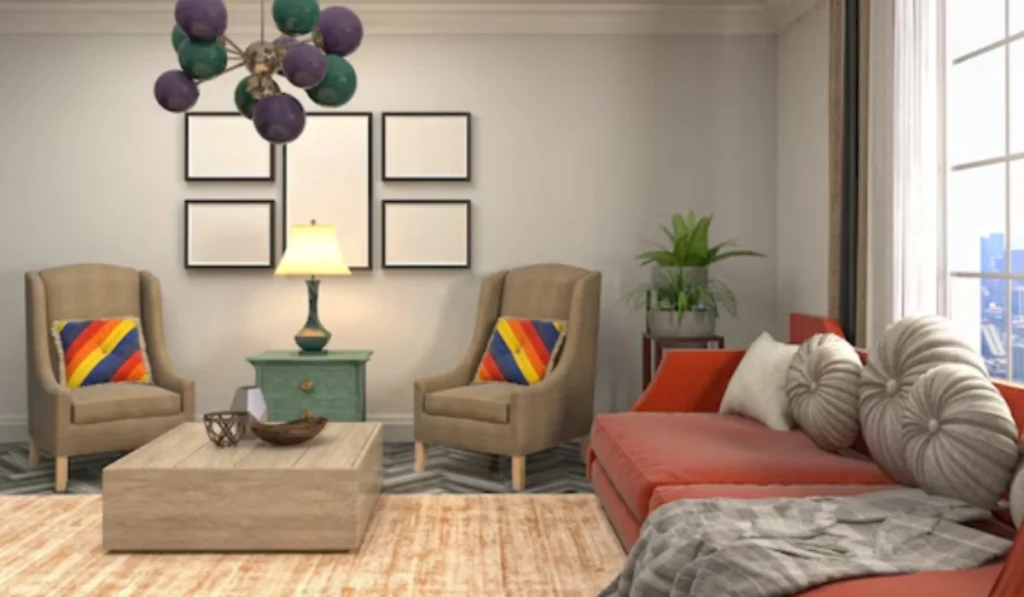
A well-designed home is created one room at a time. Every area serves a different purpose, so the furniture, colors, lighting, and storage should reflect how you actually use the space.
Living Room
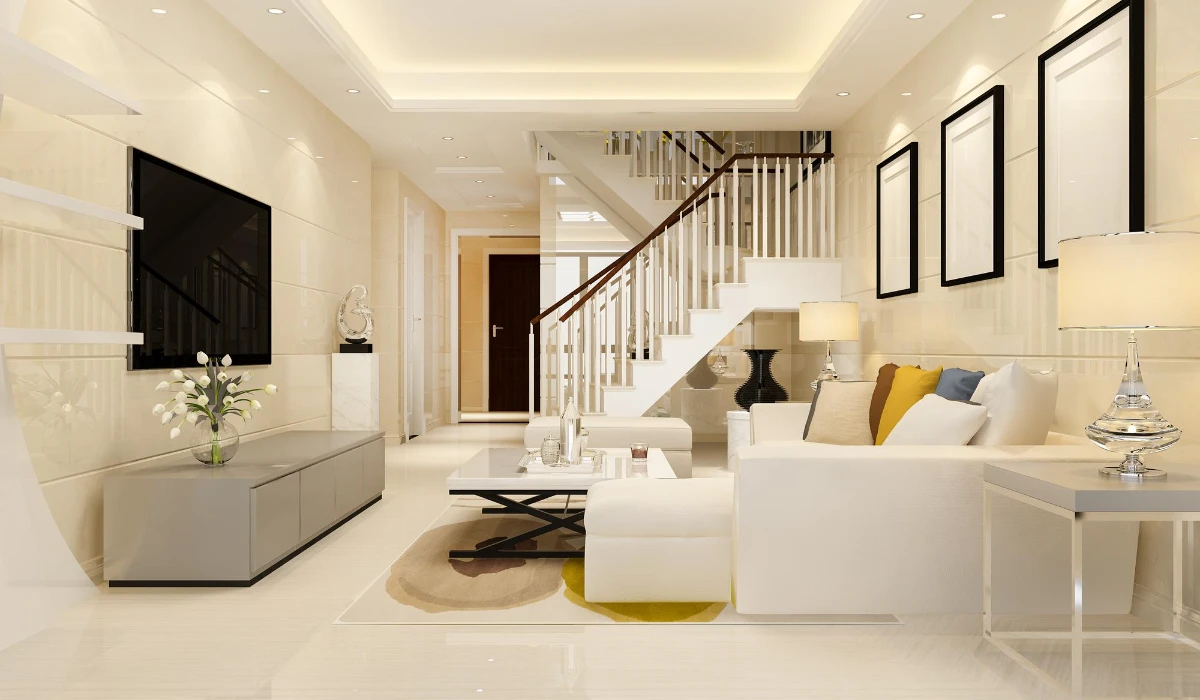
The living room is where family members relax, entertain guests, and spend quality time together. Keep the layout open by positioning furniture to encourage conversation while maintaining clear walking paths.
Choose a comfortable sofa, a functional coffee table, and a rug that fits beneath the front legs of your seating. Add layered lighting using ceiling fixtures, floor lamps, and table lamps to create a warm and inviting atmosphere.
Kitchen
A practical kitchen focuses on efficiency. Store frequently used cookware near the cooking area and organize pantry items into labeled containers. Good lighting beneath cabinets improves both safety and convenience while preparing meals.
Quartz countertops, matte cabinet finishes, and easy-to-clean backsplashes remain popular because they combine durability with timeless style.
Bedroom
Bedrooms should promote relaxation and better sleep. Choose calming colors such as soft beige, warm white, sage green, or light gray. Limit decorative accessories to avoid visual clutter and invest in comfortable bedding made from breathable natural fabrics.
Blackout curtains paired with warm bedside lighting help create a peaceful sleeping environment.
Home Office
With more people working remotely, home offices have become essential. Position your desk near natural light without placing your computer directly in front of a window to reduce screen glare.
Use ergonomic furniture, floating shelves, and concealed cable management to maintain a clean and productive workspace.
Smart Furniture Placement Tips
Furniture placement influences both comfort and room functionality. Before buying anything, measure your available space carefully.
| Room | Recommended Walking Space |
|---|---|
| Living Room | 30–36 inches |
| Dining Area | 36–48 inches |
| Bedroom | 24–30 inches around the bed |
| Kitchen | 42–48 inches between counters |
Maintaining proper spacing prevents rooms from feeling crowded and improves everyday movement throughout the home.
Maximize Small Spaces
Many homeowners believe small rooms cannot look luxurious. In reality, thoughtful planning often matters more than square footage.
Simple strategies include:
- Install floating shelves to free floor space.
- Choose furniture with built-in storage.
- Hang curtains closer to the ceiling to create the illusion of height.
- Use mirrors opposite windows to reflect natural light.
- Select furniture with exposed legs to make rooms feel more open.
These techniques instantly improve both appearance and functionality.
Storage Solutions That Reduce Clutter
Storage should be integrated into the design rather than added as an afterthought.
Excellent storage ideas include:
- Ottoman seating with hidden compartments
- Under-bed storage drawers
- Built-in bookshelves
- Vertical pantry organizers
- Wall-mounted hooks in entryways
- Drawer dividers in kitchens and bathrooms
Organized storage reduces stress and makes daily routines much easier.
Choosing the Right Materials
Material selection determines how well your interior ages over time.
Recommended Materials
| Material | Benefits |
| Solid Wood | Durable and timeless |
| Natural Stone | Elegant and long-lasting |
| Linen | Breathable and sophisticated |
| Cotton | Comfortable and easy to maintain |
| Glass | Creates an open appearance |
| Steel | Modern and extremely durable |
Avoid low-quality particle board whenever possible if you’re planning long-term improvements.
Add Nature to Your Home
Natural elements soften modern interiors and improve well-being.
Some excellent additions include:
- Snake Plant
- ZZ Plant
- Peace Lily
- Rubber Plant
- Pothos
Combine indoor plants with wooden furniture, woven baskets, and natural fabrics to create a balanced environment inspired by biophilic design.
Smart Home Technology Meets Interior Design
Today’s interiors combine beauty with technology.
Useful smart upgrades include:
- Smart lighting systems
- Voice-controlled assistants
- Smart thermostats
- Motion sensor lighting
- Automated blinds
- Smart door locks
These features improve convenience while maintaining a clean and uncluttered appearance.
Common Interior Design Mistakes
Many homeowners unintentionally reduce the appeal of their homes by making avoidable mistakes.
Buying Furniture Before Measuring
Oversized furniture overwhelms small rooms and limits movement.
Using Only One Ceiling Light
Single overhead fixtures create harsh shadows and flat interiors.
Following Every Design Trend
Choose timeless designs instead of constantly replacing décor.
Ignoring Storage
Without proper storage, clutter quickly returns regardless of how beautiful the room looks.
Hanging Artwork Too High
Artwork should generally be positioned at eye level to create better visual balance.
Budget-Friendly Interior Design DrHomey Plan
| Budget | Recommended Improvements |
| Under $500 | Paint walls, new lighting, indoor plants, storage baskets |
| $500–$2,000 | Upgrade furniture, install shelving, replace curtains |
| $2,000–$5,000 | Kitchen improvements, flooring updates, custom storage |
| $5,000+ | Complete room redesign, built-in cabinetry, premium finishes |
Improving one room at a time helps manage costs while delivering noticeable results.
Pros and Cons
| Pros | Cons |
| Improves comfort | Requires planning |
| Better organization | Some quality materials cost more |
| Timeless appearance | Large projects take time |
| Higher property value | DIY mistakes may increase expenses |
| Easier daily living | Professional help may be needed for major renovations |
Frequently Asked Questions
What makes Interior Design DrHomey different?
It focuses on functionality, comfort, organization, and timeless design instead of expensive decorating trends.
Can I follow this approach on a small budget?
Yes. Many improvements involve rearranging furniture, improving lighting, decluttering, and repainting walls before purchasing expensive décor.
Which colors work best?
Neutral shades such as warm white, beige, soft gray, and sage green remain versatile and timeless.
Is smart home technology necessary?
No, but devices such as smart lighting and thermostats improve convenience and energy efficiency.
How often should I update my interior?
Refresh accessories seasonally, maintain furniture regularly, and update major design elements only when necessary.
Final Thoughts
A beautiful home is not measured by its size or price but by how well it supports your daily life. Interior design drhomey encourages thoughtful planning, quality materials, functional layouts, and timeless styling rather than following temporary trends. Whether you begin by improving lighting, reorganizing storage, updating furniture, or choosing calming colors, every small improvement contributes to a healthier and more enjoyable living environment.
Instead of trying to transform your entire home overnight, focus on one room at a time. Consistent, intentional improvements will create a home that feels comfortable, welcoming, and practical for many years to come.