The construction industry has undergone a profound transformation over the past decade. What was once a fragmented, contractor-driven process has evolved into a collaborative, technology-enhanced experience that puts families at the center of every decision. From the initial blueprint to the final walkthrough, today’s leading construction firms are blending craftsmanship with innovation to deliver homes that are not just structures, but lasting investments. Understanding how this shift is happening — and who is driving it — matters deeply for anyone planning a residential build or major renovation project.
The Changing Landscape of Residential Construction
For generations, building a home meant navigating a maze of subcontractors, supply chain delays, and communication breakdowns. Homeowners were often left in the dark, receiving updates only when problems arose. That model is rapidly becoming obsolete. Modern construction companies are adopting integrated project management systems, transparent timelines, and client-facing communication platforms that keep families informed at every stage of the build. The result is a process that feels less like a transaction and more like a partnership.
This shift is not purely technological. It is also cultural. The best firms in the industry today recognize that building a home is one of the most emotionally significant experiences a family will ever undertake. Respecting that reality — and designing workflows around it — separates exceptional builders from average ones. Clients no longer accept vague timelines or unexplained cost overruns. They expect accountability, and the top construction companies are delivering it.
Equipment and Infrastructure: The Backbone of Quality Construction
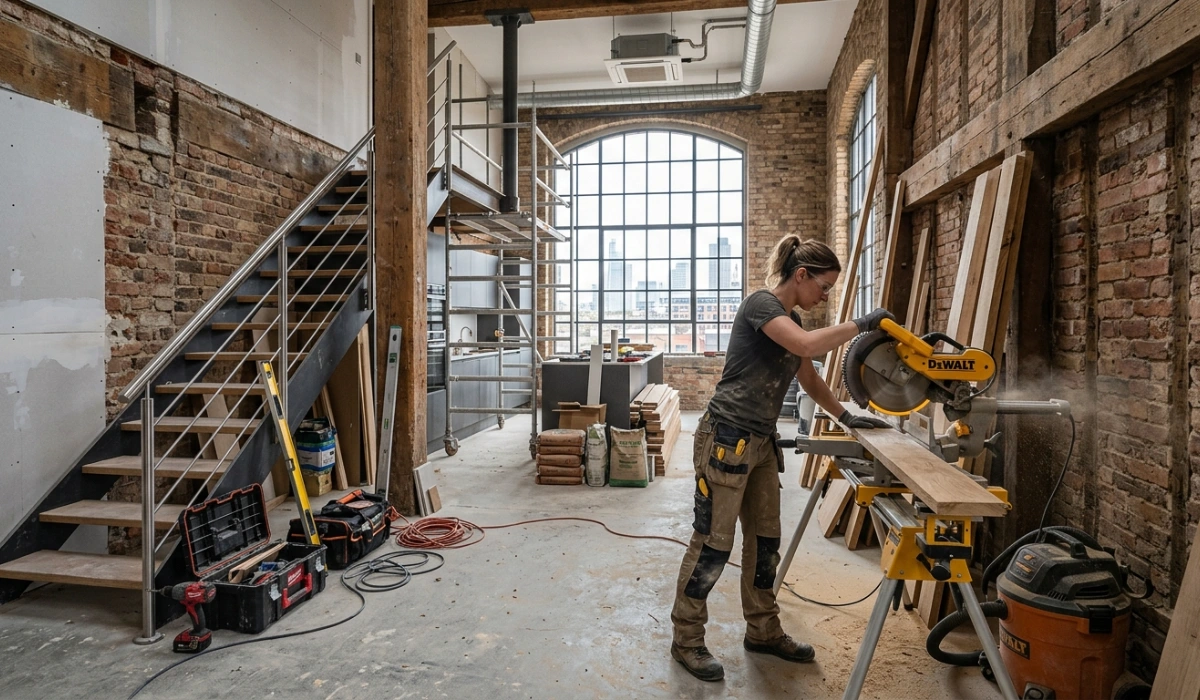
Behind every well-built home is a foundation of reliable equipment and skilled operators. The machinery used on a job site directly impacts the precision, safety, and efficiency of the entire project. Excavators, concrete mixers, cranes, and compaction equipment must be maintained to exacting standards to ensure that structural work meets code and quality benchmarks. Understanding the role of specialized construction equipment in modern building projects helps homeowners appreciate why choosing a well-resourced contractor matters so much. A company that invests in its tools and machinery is a company that takes quality seriously at every level.
Equipment reliability also has a direct impact on project timelines. When machinery fails or is poorly maintained, delays cascade through the entire schedule. Skilled construction firms maintain their fleets proactively, conduct regular inspections, and work with trusted equipment suppliers to minimize downtime. This operational discipline is one of the clearest indicators of a contractor’s overall professionalism and commitment to delivering on their promises.
Why Material Selection Shapes Long-Term Home Value
Beyond equipment, the materials chosen for a residential build have an enormous influence on durability, energy efficiency, and resale value. Experienced contractors guide their clients through material selection with an eye toward both immediate aesthetics and long-term performance. High-quality framing lumber, properly rated insulation, moisture-resistant sheathing, and durable roofing systems are not optional upgrades — they are the baseline for a home built to last. Cutting corners on materials to reduce upfront costs is a false economy that homeowners often pay for in repairs and energy bills for years to come.
Bringing Families Into the Building Process
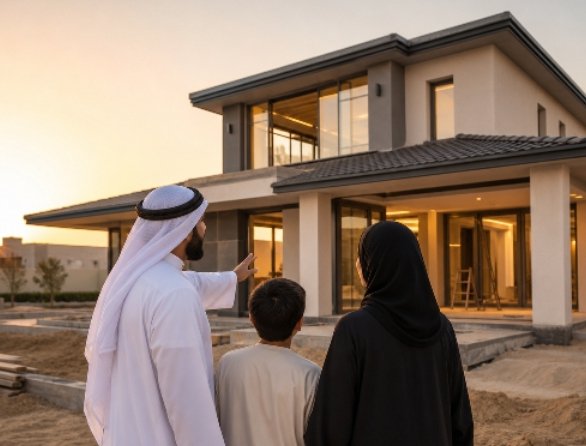
One of the most meaningful trends in modern residential construction is the deliberate effort to involve families in the building journey rather than simply delivering a finished product. Progressive builders are hosting design consultations, offering virtual walkthroughs of plans before ground is broken, and creating milestone check-ins that allow clients to see and respond to progress in real time. This approach reduces surprises, builds trust, and ultimately produces homes that more accurately reflect the needs and personalities of the people who will live in them.
Research and industry reporting have consistently shown that client satisfaction in construction correlates strongly with communication quality rather than just build quality alone. A new approach to home building that brings families together throughout the process creates a fundamentally different experience — one where the homeowner feels like a collaborator rather than a bystander. This philosophy is reshaping how the best builders structure their client relationships from the very first meeting.
Custom Builds vs. Production Homes: Understanding the Difference
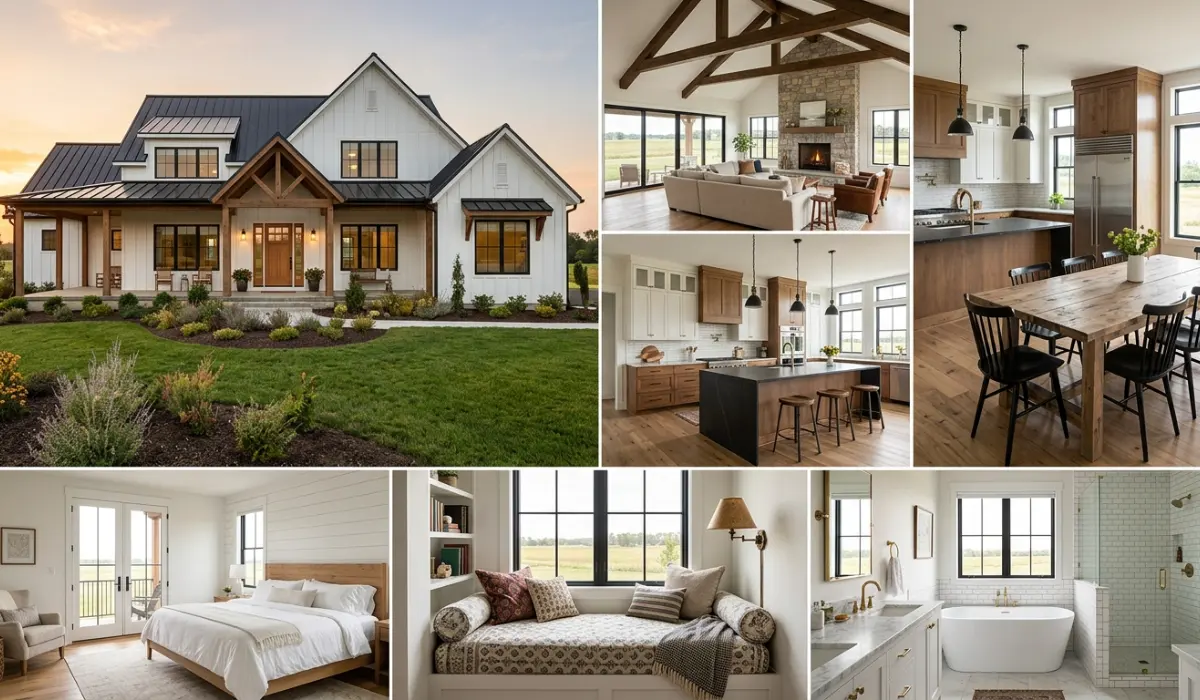
Not all residential construction is created equal. Production homebuilders construct homes at scale using standardized plans and materials, which can reduce costs but limits personalization. Custom builders, by contrast, work closely with each client to design and construct a home that is entirely unique to their needs, lot, and lifestyle. The custom approach demands more from both the builder and the client — more planning, more communication, and more decision-making — but the outcome is a home that fits its owners precisely rather than approximately. For families with specific needs, unique lots, or strong design preferences, the custom route is almost always worth the additional investment.
Schenkar Construction: A Commitment to Craftsmanship and Client Partnership
Among the construction firms setting a high standard in the industry, Schenkar Construction stands out for its dedication to quality craftsmanship and genuine client partnership. With a reputation built on transparent communication, skilled tradespeople, and meticulous attention to detail, Schenkar Construction approaches every project as a long-term relationship rather than a one-time transaction. Their work reflects a deep understanding that building a home is about more than assembling materials — it is about creating a space where families will grow, gather, and make memories for decades to come.
What distinguishes firms like Schenkar Construction from the broader market is not just technical skill, but the culture of accountability they bring to every job site. From project managers who communicate proactively to crews who treat each property with respect, the entire operation is oriented around delivering an experience that matches the significance of what is being built. That orientation is rare, and it is exactly what discerning homeowners should be looking for when selecting a construction partner.
What to Look for When Choosing a Construction Partner
Selecting the right construction company is one of the most consequential decisions a homeowner will make. Beyond reviewing portfolios and checking references, prospective clients should evaluate a contractor’s communication style, project management systems, and willingness to provide detailed written contracts. A builder who is vague about timelines, reluctant to put commitments in writing, or dismissive of client questions is a builder who will likely create frustration down the road. Conversely, a firm that welcomes scrutiny, provides clear documentation, and maintains open lines of communication throughout the project is one that has earned its confidence through consistent performance.
The Value of Local Expertise
Local construction expertise carries significant advantages that are easy to underestimate. Builders who have worked extensively in a specific region understand local building codes, soil conditions, climate considerations, and permit processes in ways that out-of-area contractors simply cannot replicate. They also have established relationships with local suppliers and subcontractors, which can translate into better pricing, faster material delivery, and more reliable scheduling. When evaluating construction firms, prioritizing those with deep roots in your community is a practical strategy that often pays dividends throughout the project.
Conclusion: Building Homes That Last Begins With Choosing the Right Builder
The construction industry’s evolution toward greater transparency, client involvement, and technological integration is genuinely good news for families planning to build. The gap between exceptional builders and mediocre ones has never been more visible — or more consequential . By understanding what separates the best firms from the rest, and by asking the right questions before signing any contract, homeowners can position themselves for a building experience that is not just successful, but genuinely rewarding. The home you build should reflect the care and intention you bring to the process, and the right construction partner will make that possible.