When Should You Feed Your Plants? A Simple Seasonal Breakdown
Most houseplants don’t die from neglect. They die from good intentions gone wrong, especially when it comes to feeding them.
How often should you fertilize plants is one of the most common questions new plant owners ask, and the honest answer is: it depends on the season, the plant, and how it’s growing right now. Get the timing wrong and you either starve your greenery of nutrients or burn its roots with excess salts.
Let’s break down exactly when to feed, how much, and what signs tell you it’s time.
Why Fertilizing Schedules Aren’t One-Size-Fits-All
Plants don’t grow at a constant rate all year. Most slow down or stop growing entirely during colder months, then push out new leaves and roots once warmth and daylight return.
Feeding a dormant plant is a bit like offering a full dinner to someone who just woke up from a nap. The nutrients sit unused in the soil, and over time they build up into salt deposits that can scorch roots.
That’s why the smarter approach is to match feeding to growth activity, not to a fixed calendar date.
General Fertilizing Frequency by Season
Here’s a simple breakdown that works for most common houseplants:
| Season | Growth Activity | Fertilizing Frequency |
| Spring | Active growth begins | Every 2–4 weeks |
| Summer | Peak growth | Every 2–4 weeks |
| Fall | Growth slows | Once a month or less |
| Winter | Mostly dormant | Skip entirely or feed sparingly |
This pattern applies to leafy tropicals like pothos, philodendrons, and monsteras. Flowering plants and vegetables often need slightly different timing, which we’ll cover next.
Different Plants, Different Appetites
Not every plant eats the same way. A cactus and a tomato plant have completely different nutritional needs.
Houseplants (foliage types): Feed lightly every 4 weeks during active growth. These plants prioritize leaf development over blooms, so a balanced fertilizer works well.
Flowering plants: These benefit from a fertilizer higher in phosphorus during bud formation. Feed every 2–3 weeks while flowering, then taper off.
Succulents and cacti: These store water and nutrients efficiently, so they need far less. One feeding every 6–8 weeks in growing season is plenty.
Vegetable gardens: Heavy feeders like tomatoes and peppers often need feeding every 2 weeks once fruiting begins, since they’re constantly using up nutrients to produce.
Outdoor trees and shrubs: Established ones usually only need one or two feedings a year, typically in early spring.
Signs You’re Feeding Too Much or Too Little
Your plant will usually tell you before things get serious. You just have to know what to look for.
Signs of overfertilizing:
- White crusty buildup on soil surface
- Brown, crispy leaf edges or tips
- Wilting despite moist soil
- Slowed growth even during the growing season
Signs of underfertilizing:
- Pale or yellowing older leaves
- Smaller than normal new leaves
- Leggy, stretched-out growth
- Little to no new growth during peak season
If you’re seeing overfeeding symptoms, flush the soil with plain water a few times to wash out excess salts, then hold off on fertilizer for a month.
How to Actually Apply Fertilizer the Right Way
Timing matters, but so does technique. A few habits make a real difference in how well plants absorb nutrients.
Water the soil first, then apply fertilizer. Feeding dry soil can shock roots and cause chemical burn.
Dilute more than you think you need to. Many beginners follow package instructions meant for outdoor garden beds, which is often too strong for potted plants. Cutting the recommended dose in half is a safe starting point for houseplants.
For a closer look at exact ratios and timing based on plant type, this breakdown on how often should you fertilize plants walks through dosing in more detail.
Avoid feeding a plant that’s stressed, freshly repotted, or recovering from pest damage. Wait until it’s stable again.
Organic vs Synthetic Fertilizer: Quick Comparison
Both options work, but they behave differently.
Organic fertilizer (compost, worm castings, fish emulsion)
- Releases nutrients slowly
- Improves soil structure over time
- Lower risk of chemical burn
- Slower visible results
Synthetic fertilizer (liquid or granular blends)
- Fast-acting, visible results within days
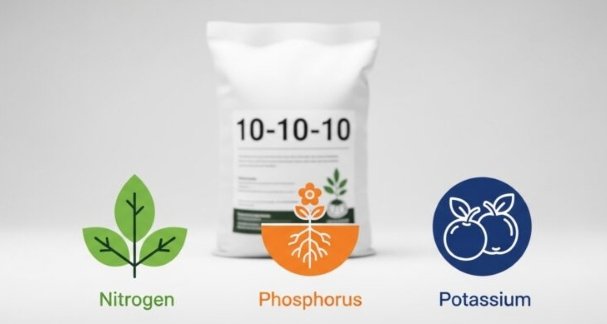
- Precise nutrient ratios (like 10-10-10)
- Higher risk of overfeeding if misused
- Doesn’t improve soil biology
Neither is objectively better. Many experienced growers use a mix: organic matter for long-term soil health, synthetic feed for a quick boost during active growth.
An Expert Habit Worth Adopting
One trick seasoned growers rely on is watching the plant’s growth rate rather than the calendar. If a plant hasn’t pushed out a new leaf in over a month during what should be its growing season, that’s a better cue to fertilize than a fixed date on a schedule.
Keeping a simple note, even just a phone reminder logging the last feeding date, prevents the common mistake of forgetting and then overcorrecting with a double dose.
Frequently Asked Questions
Can you over-fertilize a plant even with organic feed?
Yes. Organic doesn’t mean unlimited. Compost tea, fish emulsion, and similar feeds can still build up excess nitrogen if applied too often, leading to weak, leggy growth.
Should you fertilize a plant right after repotting?
No. Fresh potting mix already contains nutrients, and roots need time to settle. Wait 4–6 weeks before resuming a feeding schedule.
Is it okay to fertilize during winter?
Generally no, unless the plant is a winter bloomer or lives somewhere with consistent warmth and light indoors. Most dormant plants don’t need feeding until spring.
What happens if you never fertilize a houseplant?
It won’t die immediately, but growth will slow, leaves may turn pale, and the plant will eventually exhaust the nutrients already present in its soil.
How do you know which fertilizer ratio to buy?
Check the three numbers on the label (N-P-K). A balanced ratio like 10-10-10 works for most houseplants, while higher phosphorus blends suit flowering plants.
Bringing It All Together
Feeding plants well isn’t about doing it constantly. It’s about reading what the plant needs at each stage of its growth cycle and adjusting from there.
Start light, watch how your plants respond, and adjust the frequency based on the season and the signs your plants show you. That simple habit alone prevents most of the common fertilizing mistakes beginners make.