A Strong Start Matters
An HVAC system can deliver excellent comfort for many years, but its long-term performance depends heavily on how it is installed. Even premium equipment cannot compensate for poor planning, incorrect sizing, or overlooked details during installation. Homeowners who understand the most common installation mistakes are better prepared to ask informed questions, evaluate contractor recommendations, and protect their investment from avoidable problems that reduce efficiency and reliability.
Many homeowners researching HVAC installation Bucks and Montgomery County focus primarily on equipment brands or promotional pricing. While those factors deserve attention, installation quality has a greater influence on system performance over time. A properly installed mid-range system frequently outperforms a premium unit installed without accurate calculations, proper airflow adjustments, or careful commissioning after the work is completed.
Incorrect System Sizing
One of the most expensive installation mistakes begins before any equipment reaches the home. Choosing system capacity based only on square footage ignores insulation, window orientation, ceiling height, occupancy, and local climate. Oversized systems cycle too quickly and struggle with humidity control, while undersized equipment runs continuously. Accurate heating and cooling load calculations provide a balanced solution that improves comfort, efficiency, and equipment longevity.
Existing Ductwork Is Often Overlooked
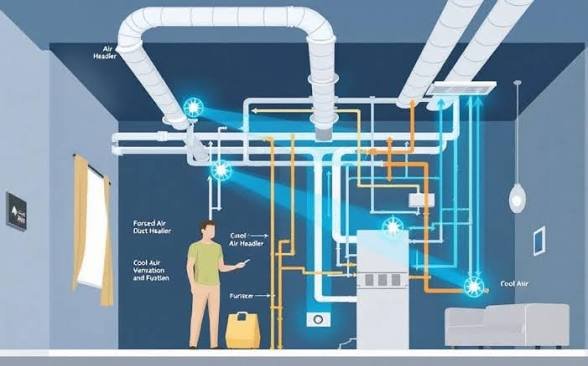
Replacing heating and cooling equipment without evaluating the duct system creates hidden performance problems. Air leaks, undersized ducts, damaged insulation, or poor airflow balance can reduce efficiency regardless of equipment quality. For example, installing a high-efficiency system while leaving major duct leaks untouched limits comfort improvements and increases operating costs. Examining the complete air distribution system should always accompany equipment replacement.
Installation Details Influence Performance
Many homeowners assume installation ends after connecting electrical wiring and refrigerant lines. In reality, system testing, airflow verification, refrigerant charging, thermostat calibration, and safety inspections determine whether the equipment performs as designed. Scheduling HVAC installation Bucks and Montgomery County with professionals who complete these final adjustments helps ensure reliable operation instead of accepting performance issues that remain hidden until the first heating or cooling season.
Installation Practices That Prevent Future Problems
Experienced contractors reduce long-term repair risks by following proven installation procedures from the beginning.
- Complete accurate heating and cooling load calculations.
- Inspect existing ductwork before installing new equipment.
- Verify proper refrigerant charging using manufacturer specifications.
- Balance airflow throughout the home.
- Confirm thermostat placement and calibration.
- Seal accessible duct leaks to improve efficiency.
- Test electrical connections and safety controls.
- Perform full system startup and operational verification.
Questions Homeowners Frequently Ask
Can Existing Equipment Be Reused?
Some components, such as thermostats or portions of the duct system, may remain suitable depending on their condition and compatibility. However, mixing aging components with new HVAC equipment should never be based solely on reducing installation costs. A careful inspection helps determine whether existing materials support efficient operation or whether replacing additional components creates better long-term value and fewer future service concerns.
Another common question concerns whether installation quality truly affects equipment lifespan. The answer is yes. Improper airflow, incorrect refrigerant levels, or electrical problems force compressors, blower motors, and other components to operate under unnecessary stress. These conditions may not cause immediate failure, but they gradually increase wear over thousands of operating cycles. Correct installation allows every component to perform within its intended operating range.
Think Beyond Installation Day
The installation process should prepare the system for years of dependable service rather than simply completing a one-day project. Homeowners benefit from requesting documentation of system settings, warranty information, maintenance recommendations, and operating instructions before the project concludes. Understanding how the equipment was installed and how it should be maintained creates a strong foundation for long-term efficiency, fewer repairs, and consistent indoor comfort throughout every season.
Build Lasting Comfort
Avoiding common HVAC installation mistakes begins with informed decision-making instead of focusing only on equipment cost. Accurate sizing, duct evaluation, proper airflow adjustment, careful system testing, and professional commissioning all contribute to reliable operation and lower long-term expenses. Choosing experienced installers who prioritize the entire system rather than individual components helps maximize comfort and efficiency. A well-installed HVAC system rewards thoughtful planning with dependable performance, reduced repair needs, and lasting value for many years.