
Introduction
Understanding how 486 Gelyney kitchen exhaust hood work is important for anyone involved in commercial kitchen operations, restaurant management, or food service facility maintenance. A kitchen exhaust hood is more than just a ventilation device—it plays a crucial role in maintaining air quality, controlling heat, reducing grease buildup, and improving overall kitchen safety.
Commercial kitchens produce large amounts of smoke, steam, grease particles, and cooking odors every day. Without an efficient exhaust system, these contaminants can accumulate quickly, creating an uncomfortable and potentially hazardous environment. The 486 Gelyney kitchen exhaust hood system is designed to manage these challenges by continuously removing polluted air and replacing it with cleaner airflow.
What Is a 486 Gelyney Kitchen Exhaust Hood?
The 486 Gelyney kitchen exhaust hood is a ventilation system installed above cooking equipment such as grills, fryers, ovens, and stovetops. Its primary purpose is to capture airborne contaminants generated during cooking before they spread throughout the kitchen.
The system acts as the first line of defense against smoke, grease vapors, excess heat, and strong odors. By removing these elements at their source, the exhaust hood helps maintain a cleaner and safer workspace.
How 486 Gelyney Kitchen Exhaust Hood Work
To understand how 486 Gelyney kitchen exhaust hood work, it helps to examine the airflow process step by step.
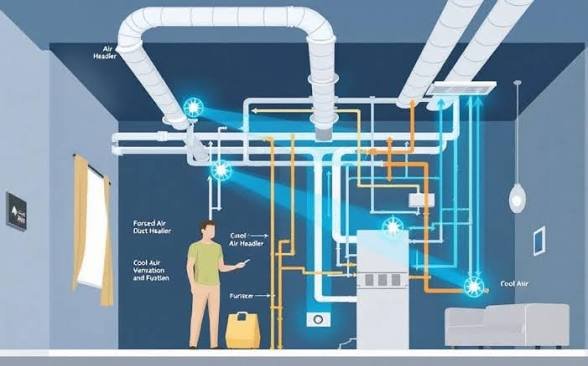
When cooking equipment generates heat, smoke, and grease-laden vapors, the hood positioned above the appliances captures these airborne particles. A powerful exhaust fan creates negative air pressure that pulls contaminated air upward into the hood chamber.
As the air enters the system, grease filters trap grease particles and prevent them from entering the ductwork. The filtered air then travels through ventilation ducts connected to the exhaust fan. Finally, the fan pushes the contaminated air outside the building, helping maintain fresh indoor air quality.
This continuous cycle keeps the kitchen environment cleaner and more comfortable during operation.
Main Components of the System
Several components work together to ensure efficient performance.
Exhaust Hood Canopy
The canopy is the visible portion installed above cooking appliances. It collects rising smoke, heat, steam, and grease particles before they spread throughout the kitchen.
Grease Filters
Grease filters are designed to capture oil droplets and grease particles suspended in the air. These filters help prevent dangerous grease accumulation inside the duct system.
Ductwork
Ducts transport contaminated air from the hood to the exterior of the building. Properly designed duct systems are essential for efficient airflow and safety.
Exhaust Fan
The exhaust fan creates suction that pulls contaminated air through the system. It serves as the driving force behind the entire ventilation process.
Make-Up Air System
Many commercial kitchens include a make-up air system that replaces exhausted air with fresh outdoor air. This helps maintain balanced air pressure within the building.
Benefits of Using a Kitchen Exhaust Hood
A properly functioning exhaust hood offers numerous advantages beyond simple ventilation.
Improved Air Quality
Removing smoke, grease particles, and odors creates a healthier environment for kitchen staff and customers.
Enhanced Fire Safety
Grease accumulation is one of the leading causes of kitchen fires. Exhaust hoods help reduce this risk by capturing grease before it settles on surfaces and inside ductwork.
Better Employee Comfort
Excessive heat and poor ventilation can make kitchen environments uncomfortable. Effective exhaust systems help regulate temperature and improve working conditions.
Regulatory Compliance
Many local building codes and health regulations require commercial kitchens to use approved ventilation systems to maintain safety standards.
Why Regular Maintenance Matters
Even the most advanced exhaust system requires routine maintenance. Filters should be cleaned regularly to prevent grease buildup and maintain proper airflow.
Ducts and exhaust fans also require periodic inspections to identify potential blockages or mechanical issues. Regular maintenance helps improve efficiency, reduce repair costs, and extend the lifespan of the system.
Neglecting maintenance can reduce ventilation performance and increase fire risks, making routine service an essential part of kitchen operations.
Common Problems and Solutions
Kitchen exhaust systems can experience issues over time.
Dirty filters often restrict airflow and reduce performance. Cleaning or replacing filters can restore efficiency.
Unusual fan noise may indicate worn components or debris inside the system. Professional inspection can identify the cause.
Poor smoke removal may result from blocked ducts, damaged fans, or improper airflow balancing. Addressing these issues quickly helps prevent larger operational problems.
Choosing the Right Exhaust Hood System
Selecting the right ventilation system depends on kitchen size, cooking volume, equipment type, and local regulations. High-volume kitchens often require larger hoods and more powerful fans to manage increased smoke and grease production.
A properly sized system provides better efficiency, lower operating costs, and improved workplace safety.
Final Thoughts
Understanding how 486 Gelyney kitchen exhaust hood work helps restaurant owners, facility managers, and kitchen operators appreciate the importance of effective ventilation. By capturing grease, smoke, heat, and odors at the source, the system creates a cleaner, safer, and more comfortable cooking environment.
Regular maintenance, proper installation, and correct system sizing ensure long-term performance and compliance with safety standards. Whether operating a small café or a large commercial kitchen, a reliable exhaust hood system remains one of the most important investments for daily operations.
Frequently Asked Questions
1. How does the 486 Gelyney kitchen exhaust hood remove smoke?
The hood captures smoke above cooking equipment and uses an exhaust fan to move contaminated air outside the building.
2. Why are grease filters important?
Grease filters trap airborne grease particles and prevent them from accumulating inside ductwork and ventilation systems.
3. How often should exhaust hood filters be cleaned?
Cleaning frequency depends on kitchen usage, but commercial kitchens generally require regular inspections and cleaning schedules.
4. Can an exhaust hood help reduce kitchen temperatures?
Yes. By removing heat generated during cooking, the system helps create a cooler and more comfortable work environment.
5. What happens if the exhaust hood is not maintained?
Poor maintenance can reduce airflow, increase grease buildup, lower efficiency, and raise the risk of kitchen fires.