Introduction
The 486 Gelyney Kitchen Exhaust Hood System plays a critical role in maintaining a safe, clean, and efficient cooking environment. Commercial and high-capacity kitchens generate significant amounts of heat, grease, smoke, and airborne particles during daily operations. An effective exhaust hood system helps remove these contaminants, improving air quality and supporting kitchen safety standards. Understanding how the 486 Gelyney Kitchen Exhaust Hood System functions can help business owners, facility managers, and kitchen operators make informed decisions regarding ventilation and maintenance.
What Is the 486 Gelyney Kitchen Exhaust Hood System?
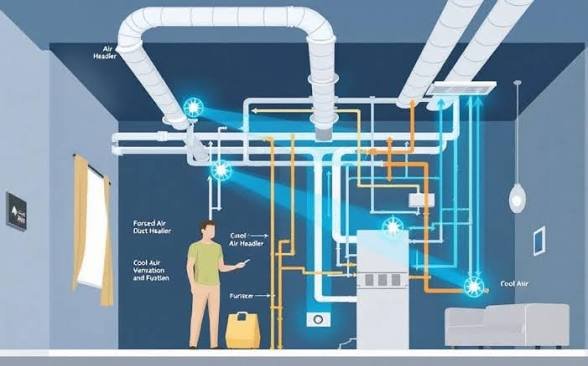
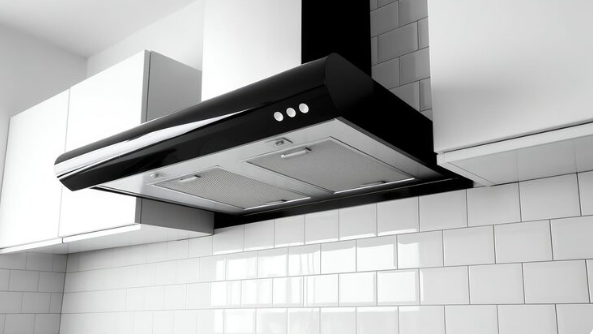
The 486 Gelyney Kitchen Exhaust Hood System is designed to capture and remove smoke, grease-laden vapors, odors, and excess heat generated during food preparation. Positioned above cooking equipment, the system directs contaminated air through filters and ventilation ducts before expelling it outside the building. This process helps create a healthier workspace and reduces the accumulation of grease that can become a fire hazard over time.
Key Features of the System
One of the primary strengths of the 486 Gelyney Kitchen Exhaust Hood System is its ability to provide consistent airflow while maintaining operational efficiency. Many modern exhaust systems incorporate grease filtration technology, durable construction materials, and optimized airflow designs. These features contribute to improved performance, easier maintenance, and longer service life. Effective filtration also helps protect ductwork from excessive grease buildup.
Importance of Proper Ventilation
Proper ventilation is essential in any commercial kitchen environment. The 486 Gelyney Kitchen Exhaust Hood System helps regulate indoor temperatures while reducing smoke and cooking odors. Without adequate ventilation, kitchens can become uncomfortable for staff, and equipment performance may suffer. Effective air management also contributes to compliance with health and safety regulations that govern food service operations.
Installation Considerations
Installing the 486 Gelyney Kitchen Exhaust Hood System requires careful planning and assessment of kitchen layout, cooking equipment, and ventilation requirements. The size of the hood, airflow capacity, duct configuration, and local building codes should all be considered during installation. Professional installation ensures the system operates efficiently and meets applicable safety standards.
Maintenance Requirements
Routine maintenance is crucial for keeping the 486 Gelyney Kitchen Exhaust Hood System functioning effectively. Regular cleaning of filters, ducts, and hood surfaces helps prevent grease accumulation and maintains airflow performance. Scheduled inspections can identify potential issues before they become costly repairs. Consistent maintenance also supports fire prevention efforts and extends the lifespan of the system.
Energy Efficiency Benefits
Modern kitchen ventilation systems are increasingly designed with energy efficiency in mind. The 486 Gelyney Kitchen Exhaust Hood System may help reduce energy consumption by optimizing airflow and minimizing unnecessary exhaust operation. Efficient ventilation systems can contribute to lower utility costs while maintaining a comfortable kitchen environment for employees.
Safety Advantages
Kitchen safety remains a top priority in food service operations. The 486 Gelyney Kitchen Exhaust Hood System assists in reducing fire risks by capturing grease particles before they accumulate on surfaces and inside ventilation ducts. By controlling heat and smoke, the system also supports emergency response efforts and improves overall workplace safety.
Selecting the Right Exhaust Hood Solution
When evaluating ventilation equipment, businesses should consider airflow performance, durability, maintenance requirements, and regulatory compliance. The 486 Gelyney Kitchen Exhaust Hood System should align with the specific cooking demands of the facility to ensure optimal results. Selecting the appropriate system can improve operational efficiency and contribute to a healthier working environment.
Conclusion
The 486 Gelyney Kitchen Exhaust Hood System is an essential component of modern kitchen operations. Its ability to manage smoke, grease, heat, and odors helps create a safer and more comfortable workplace while supporting regulatory compliance. With proper installation and ongoing maintenance, the system can deliver reliable performance and long-term value for commercial kitchens of all sizes.
Frequently Asked Questions
1. What is the purpose of the 486 Gelyney Kitchen Exhaust Hood System?
It removes smoke, grease, heat, and cooking odors from kitchen environments.
2. Why is kitchen ventilation important?
Proper ventilation improves air quality, employee comfort, and workplace safety.
3. How often should exhaust hood filters be cleaned?
Cleaning schedules depend on kitchen usage, but regular inspections and maintenance are recommended.
4. Can the system help reduce fire hazards?
Yes, it helps capture grease particles that could otherwise accumulate and increase fire risks.
5. Is professional installation necessary?
Professional installation helps ensure proper performance and compliance with safety regulations.
6. What types of kitchens use exhaust hood systems?
Commercial restaurants, cafeterias, hotels, catering facilities, and institutional kitchens commonly use them.
7. How does the system improve air quality?
It removes airborne contaminants such as smoke, grease vapors, and cooking odors.
8. Does the system contribute to energy efficiency?
Modern systems can optimize airflow and reduce unnecessary energy consumption.
9. What maintenance tasks are typically required?
Filter cleaning, duct inspection, grease removal, and routine performance checks are common maintenance activities.
10. How long can an exhaust hood system last?
With proper maintenance and regular servicing, a quality system can provide reliable operation for many years.