Indoor gardening has become one of the most popular ways to bring life, freshness, and color into modern homes. Among the many options available, blooming indoor house plants stand out because they combine greenery with vibrant flowers. These plants not only improve air quality but also enhance mood and interior style. Whether you live in a small apartment or a spacious home, choosing the right blooming indoor house plants can completely transform your indoor environment.
In this guide, we’ll explore different types of flowering and leafy plants, from colorful indoor house plants to large indoor house plant varieties, and help you select the perfect greenery for your space.
Why Choose Blooming Indoor Plants?
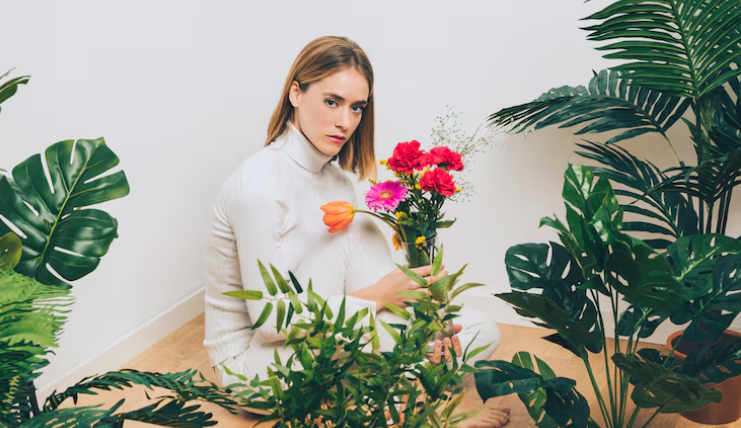
Adding blooming indoor house plants to your home offers both aesthetic and emotional benefits. Flowering plants create a cheerful atmosphere, while greenery promotes relaxation and comfort.
Benefits include:
- Improved indoor air quality
- Natural home décor enhancement
- Reduced stress levels
- Increased humidity in dry environments
From bright red blossoms to soft pastel petals, indoor flowering plants make your living space more inviting.
Popular Colorful Indoor House Plants
If you love vibrant interiors, colorful indoor house plants are ideal. These plants produce eye-catching flowers that brighten any room.
Some popular choices include:
- Anthurium (known for indoor house plant red flowers)
- Peace Lily
- Orchids
- Kalanchoe
These blooming indoor house plants add charm to living rooms, bedrooms, and office spaces.
Indoor Flowering House Plants for Every Home
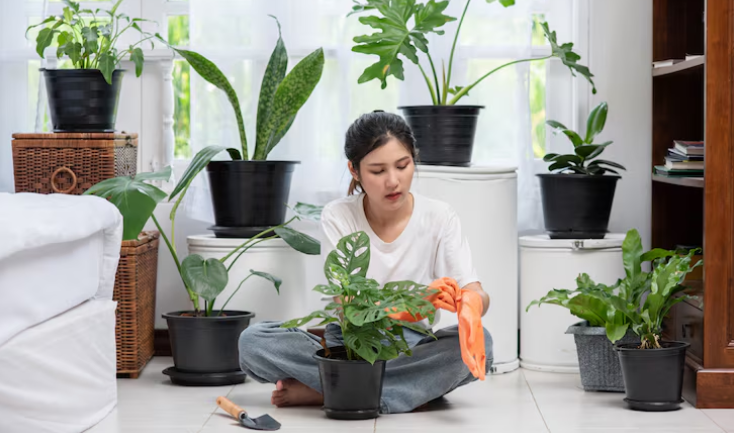
Indoor flowering house plants come in various sizes and care levels. Some require bright indirect light, while others thrive in low-light conditions.
Examples include:
- African Violet
- Begonia
- Jasmine
- Christmas Cactus
When selecting blooming indoor house plants, always consider your lighting conditions and watering routine to ensure healthy growth.
Indoor Tropical House Plants for a Lush Look
Indoor tropical house plants bring a vacation-like vibe to your home. They often feature bold foliage and exotic flowers.
Popular tropical options:
- Hibiscus
- Bromeliads
- Bird of Paradise
These plants thrive in warm, humid environments and make stunning blooming indoor house plants for bright rooms.
Indoor House Plants with Big Leaves
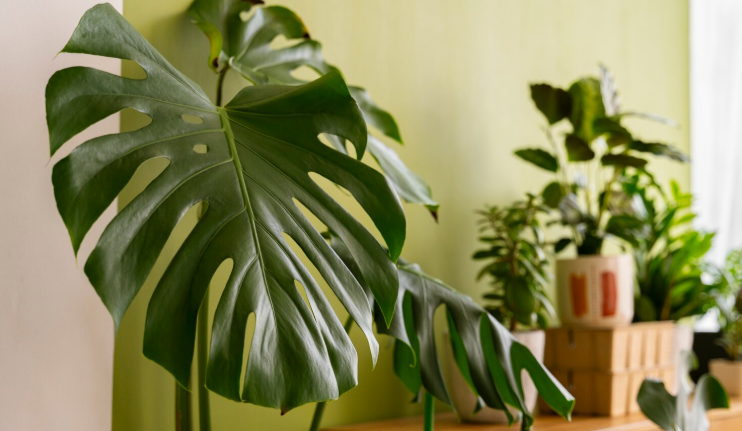
If you prefer dramatic greenery, indoor house plants with big leaves are perfect. While some may not bloom frequently, they complement flowering plants beautifully.
Top big-leaf varieties:
- Monstera
- Fiddle Leaf Fig
- Philodendron
Pairing these with blooming indoor house plants creates a balanced indoor garden design.
Easiest Indoor House Plants for Beginners
For beginners, choosing the easiest indoor house plants ensures success without stress.
Low-maintenance options include:
- Snake Plant
- Pothos
- ZZ Plant
- Peace Lily
These hardy plants can complement your collection of blooming indoor house plants while requiring minimal care.
Mini Indoor House Plants for Small Spaces
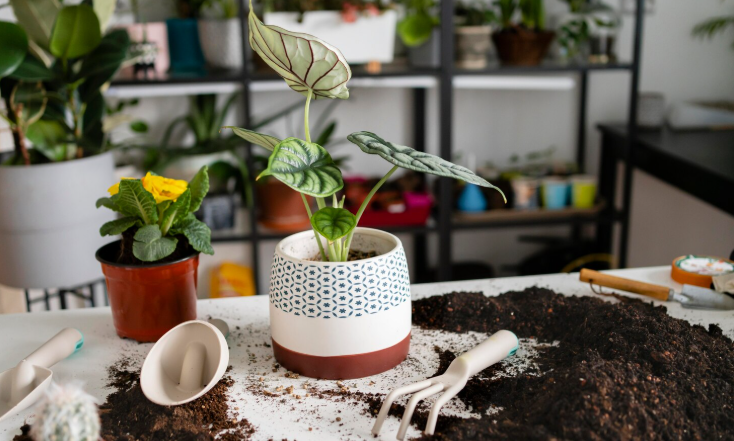
Not everyone has room for large greenery. Mini indoor house plants are ideal for desks, shelves, and small apartments.
Examples:
- Mini succulents
- Small orchids
- Baby rubber plants
Even compact blooming indoor house plants can add personality to limited spaces.
Large Indoor House Plant Options
A large indoor house plant can become a focal point in any room. Tall flowering plants or large leafy varieties add elegance and height to your décor.
Popular large choices:
- Rubber Plant
- Areca Palm
- Large Peace Lily
Combining size and blooms makes these impressive blooming indoor house plants for spacious interiors.
Indoor Evergreen House Plants
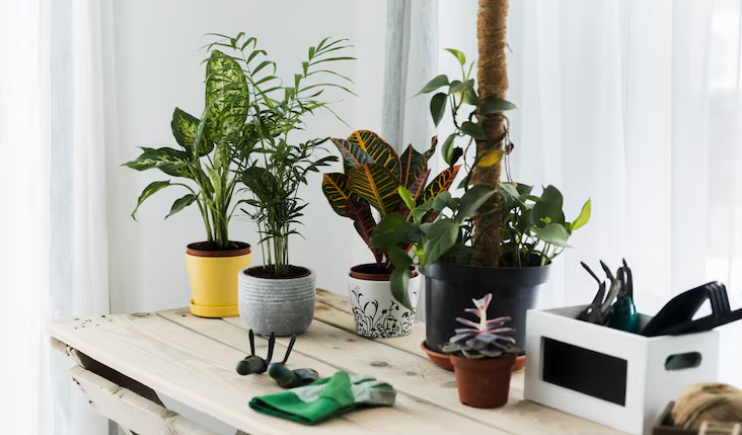
Indoor evergreen house plants stay lush and green throughout the year. While not all bloom frequently, they provide consistent beauty.
Examples include:
- Dracaena
- Chinese Evergreen
- Cast Iron Plant
Mixing evergreen greenery with blooming indoor house plants ensures year-round visual appeal.
Conclusion
Decorating with blooming indoor house plants is one of the easiest and most effective ways to enhance your home’s beauty and atmosphere. From colorful indoor house plants with red flowers to indoor tropical house plants and large indoor house plant varieties, there is a perfect option for every space and skill level. Whether you prefer mini indoor house plants for compact areas or indoor evergreen house plants for consistent greenery, incorporating flowering plants adds life, freshness, and elegance to your interior design. Start small, choose wisely, and enjoy the natural charm that indoor plants bring into your home.
Frequently Asked Questions
1. What are blooming indoor house plants?
Blooming indoor house plants are decorative plants that grow successfully inside homes while producing colorful flowers throughout the year. These plants improve indoor beauty, increase freshness, and create a calming atmosphere in living spaces. Popular varieties include peace lilies, orchids, and African violets. Many people prefer blooming indoor house plants because they combine greenery with attractive blossoms. Proper lighting, watering, and humidity levels help these plants thrive indoors and maintain healthy growth for longer periods.
2. Why are blooming indoor house plants popular for homes?
Blooming indoor house plants are popular because they bring natural beauty and vibrant colors into indoor spaces without requiring outdoor gardens. Homeowners often use them to decorate bedrooms, kitchens, and offices while improving air quality. Flowering indoor plants also help reduce stress and create a peaceful environment. Their ability to bloom inside makes them ideal for apartments or houses with limited outdoor areas. With proper care, blooming indoor house plants can remain healthy and visually appealing throughout the year.
3. Which blooming indoor house plants are easiest to maintain?
Some of the easiest blooming indoor house plants include peace lilies, begonias, Christmas cactus, and African violets. These plants require moderate watering and indirect sunlight, making them suitable for beginners. Peace lilies are especially loved because they can tolerate low-light conditions while producing elegant white flowers. African violets bloom frequently with minimal effort when placed near bright windows. Choosing low-maintenance blooming indoor house plants helps homeowners enjoy beautiful flowers indoors without spending excessive time on plant care or maintenance routines.
4. How much sunlight do blooming indoor house plants need?
Most blooming indoor house plants need bright but indirect sunlight to grow properly and produce flowers consistently. Placing plants near east-facing or south-facing windows usually provides ideal lighting conditions. Too much direct sunlight may burn leaves and damage delicate blooms, while insufficient light can prevent flowering. Some varieties like orchids prefer filtered sunlight, while peace lilies tolerate lower light levels. Understanding the lighting needs of blooming indoor house plants is essential for maintaining healthy leaves and continuous indoor flowering success.
5. How often should blooming indoor house plants be watered?
The watering needs of blooming indoor house plants depend on plant type, humidity, and indoor temperature. Most flowering plants prefer slightly moist soil but should never remain waterlogged. Overwatering may lead to root rot and poor blooming performance. A good practice is checking the top inch of soil before watering again. During warmer months, plants may need more frequent watering. Proper watering habits help blooming indoor house plants maintain healthy roots, vibrant flowers, and long-lasting indoor beauty throughout every season.
6. Can blooming indoor house plants improve indoor air quality?
Yes, indoor house plants can help improve indoor air quality by absorbing pollutants and releasing oxygen into the environment. Plants such as peace lilies and anthuriums are known for their air-purifying qualities. They can reduce toxins commonly found in homes while increasing humidity naturally. Cleaner indoor air creates a healthier and more comfortable living environment for families. Besides improving air freshness, blooming indoor house plants also add natural charm and colorful floral beauty to indoor spaces and decorations.
7. What temperature is best for blooming indoor house plants?
Most blooming indoor house plants grow best in temperatures between 18°C and 24°C. Stable indoor temperatures support healthy flowering and reduce stress on plants. Sudden temperature changes from heaters, air conditioners, or open windows can negatively affect growth and blooming cycles. Tropical flowering plants especially prefer warm and slightly humid conditions. Maintaining a comfortable room environment helps blooming indoor house plants stay healthy while producing flowers more consistently. Proper indoor climate control is important for long-term plant growth and visual appeal indoors.
8. Are blooming indoor house plants suitable for small apartments?
House plants are excellent choices for small apartments because they add beauty without requiring much space. Compact flowering plants like African violets, kalanchoes, and miniature orchids fit perfectly on shelves, tables, or windowsills. They create a refreshing atmosphere while making small rooms feel brighter and more welcoming. Apartment residents often prefer blooming indoor house plants because they bring nature indoors even without gardens or balconies. Their colorful flowers also enhance interior decoration and improve overall living comfort significantly.
9. How can blooming indoor house plants bloom longer?
To encourage longer flowering periods, house plants need proper sunlight, regular watering, and balanced fertilizer applications. Removing faded flowers also helps plants direct energy toward producing new blooms. Maintaining consistent humidity and avoiding extreme temperature changes improve flowering performance. Some plants benefit from occasional pruning to stimulate healthier growth. Providing proper care throughout the year allows house plants to remain vibrant and attractive for longer periods, making indoor spaces more colorful and naturally inviting every season.
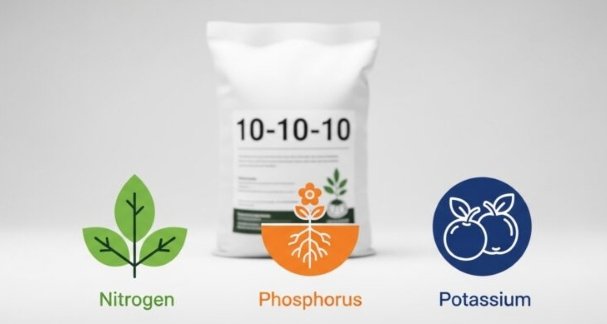
10. Which fertilizer is best for blooming indoor house plants?
Flowering fertilizers rich in phosphorus are usually best for house plants because they support healthy flower development and root growth. Liquid fertilizers diluted with water are commonly used every few weeks during active growing seasons. Overfertilizing should be avoided because it can damage roots and reduce blooming quality. Organic compost and balanced plant nutrients also help maintain healthy indoor plants. Choosing suitable fertilizers ensures blooming indoor house plants continue producing vibrant flowers while maintaining strong and healthy foliage indoors.
11. Can blooming indoor house plants survive during winter?
Many house plants can survive winter when provided with adequate indoor care and stable temperatures. During colder months, plants generally require less water because growth slows naturally. Positioning plants away from cold drafts and maintaining moderate humidity helps protect delicate flowers and leaves. Supplemental grow lights may also support blooming if natural sunlight becomes limited. With proper winter care, blooming indoor house plants remain healthy and continue adding warmth, freshness, and beauty to indoor living environments throughout colder seasons.
12. Why do leaves turn yellow on blooming indoor house plants?
Yellow leaves on house plants usually indicate problems related to watering, lighting, or nutrient imbalance. Overwatering is one of the most common causes because excessive moisture damages roots and limits oxygen absorption. Insufficient sunlight may also weaken plants and affect leaf color. Sometimes nutrient deficiencies prevent healthy growth and flowering performance. Regular monitoring of soil moisture, lighting conditions, and fertilizer use helps prevent yellowing issues. Healthy house plants typically maintain vibrant green leaves and strong flower production indoors.