Homeowners often struggle to balance comfort, aesthetics, and function when decorating. This decoration guide homenumental brings a structured, room-by-room approach to planning layouts, choosing colors, arranging lighting, and selecting décor that truly fits your lifestyle. Instead of copying trends, you’ll learn how to design spaces that feel cohesive, efficient, and personal. From living rooms and kitchens to bedrooms and bathrooms, this guide explains how to combine proportion, texture, and lighting to achieve a polished look without clutter. Whether you’re refreshing a single room or planning a whole-home update, the decoration guide homenumental offers practical strategies that make your design decisions easier and more effective. You can easily read for Decoration Guide Homenumental ultimate update.
Build a Strong Foundation Before Decorating

A successful Decoration Guide Homenumenta interior starts with evaluation, not shopping. Measure rooms, observe natural light direction, and note architectural features. Identify traffic flow and daily usage patterns. These factors determine furniture placement, lighting layers, and storage solutions more than Decoration Guide Homenumental trends ever will.
Think in terms of zones. A living room may include a seating zone, reading corner, and media wall. A bedroom may include sleeping, dressing, and relaxation zones. Planning by zones prevents overcrowding and helps maintain visual balance.
Develop a Cohesive Color Strategy
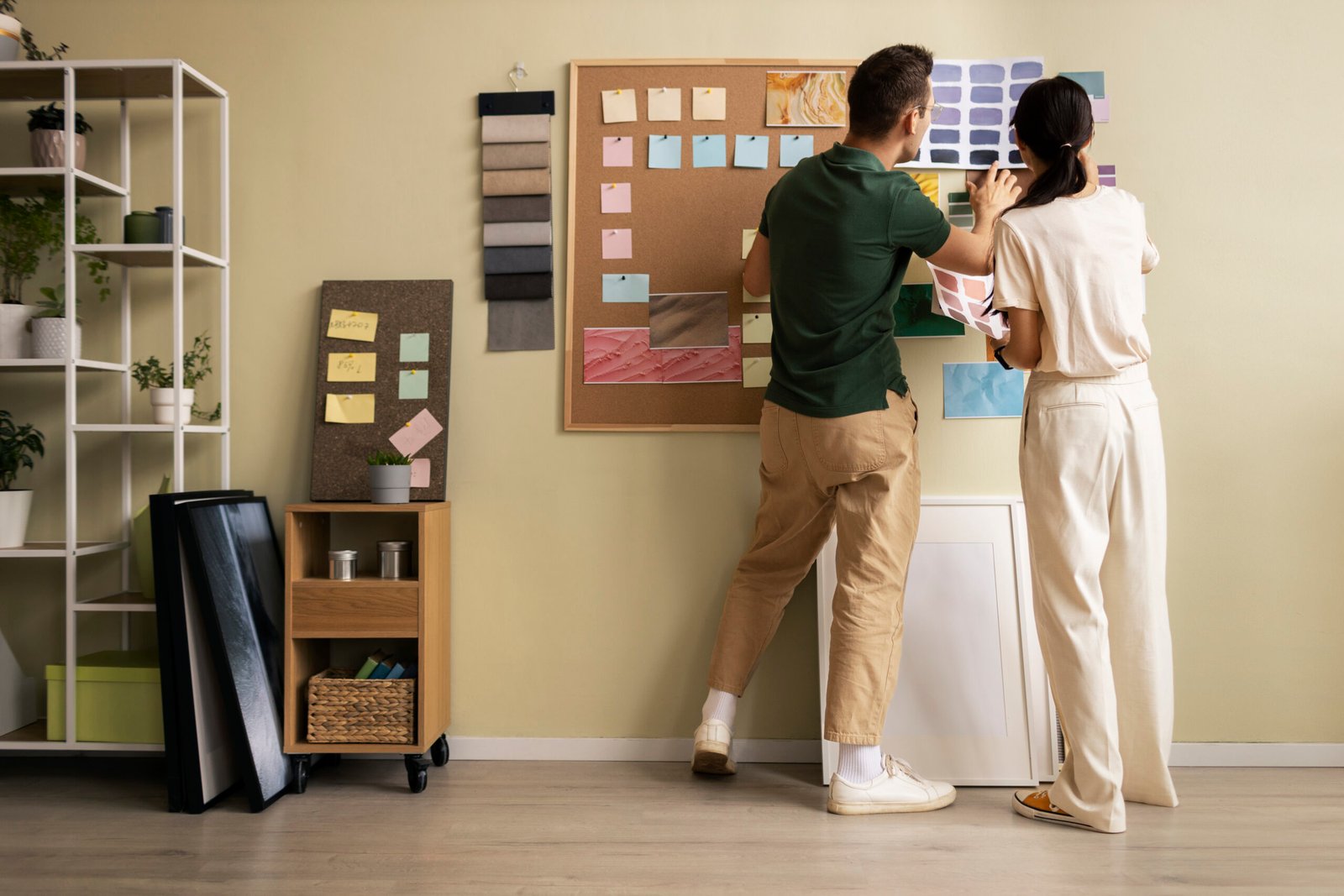
Color is the thread that ties the home together. Instead of choosing random shades per room, establish a base palette for the entire house. Use neutrals as anchors and introduce accent tones through soft furnishings and décor. You will read to all Decoration Guide Homenumental and upgrade home
Warm tones create comfort and intimacy, while cool tones make spaces feel calm and airy. Consistency between rooms improves visual flow, especially in open layouts.
Use Contrast to Add Visual Depth
Pair light walls with darker furniture or vice versa. Introduce contrast through textiles, rugs, and artwork. This prevents rooms from appearing flat and monotonous.
Plan Lighting as a Design Element
Lighting should never be an afterthought. Combine ambient, task, and accent lighting to create dimension.
- Ambient lighting sets overall brightness
- Task lighting improves functionality
- Accent lighting highlights décor and architecture
Natural daylight should be enhanced with sheer curtains and reflective surfaces. Artificial lighting should be layered to avoid harsh shadows.
Choose Furniture That Fits the Space

Oversized furniture makes rooms feel cramped, while undersized pieces create emptiness. Scale is critical. Leave adequate walking space between pieces and ensure pathways remain clear. People also search Decoration Guide Homenumental in Google for update details but I will update everything now.
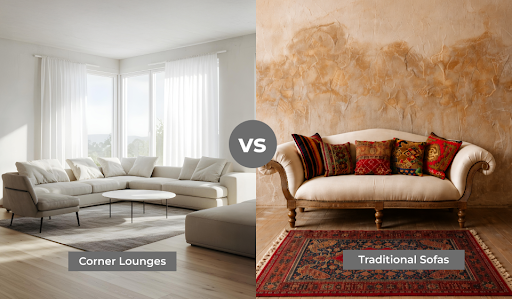
Invest in functional furniture such as storage ottomans, modular sofas, and multi-purpose tables to maximize usability.
Prioritize Comfort Alongside Style
Aesthetic furniture that lacks comfort reduces usability. Test seating depth, back support, and material durability before finalizing.
Styling the Living Room with Purpose
The living room is the most social space in the home. Arrange seating to encourage conversation rather than focusing everything toward a TV. Introduce layers through cushions, throws, and rugs to add warmth.
Wall décor should reflect personality but remain balanced. Avoid overcrowding with frames and shelves.
Creating a Functional and Beautiful Kitchen
Kitchens require both efficiency and aesthetics. Keep countertops decluttered. Use open shelving for decorative storage. Under-cabinet lighting improves both design and usability.
Choose finishes that are easy to maintain while still complementing the overall theme of the house.
Bedroom Decoration for Comfort and Calm
Bedrooms should feel restful. Soft textures, muted colors, and warm lighting contribute to relaxation. Position the bed as the focal point and avoid excessive furniture.
Use bedside lighting and layered bedding to create a hotel-like comfort.
Bathroom Styling Without Clutter
Bathrooms benefit from minimalism. Use mirrors to increase the sense of space. Floating shelves, wall hooks, and concealed storage keep surfaces clean.
Neutral tiles with subtle patterns create elegance without overwhelming the eye.
Add Personality Through Textures and Accessories
Texture adds depth to interiors. Mix materials like wood, metal, glass, and fabric. Rugs, curtains, cushions, and artwork bring individuality.
Plants are essential décor elements. They purify air and introduce natural vibrancy.
Avoid Common Decorating Mistakes
One of the biggest mistakes is overdecorating. Too many accessories create visual noise. Another issue is ignoring scale and proportion. Always measure before purchasing.
Avoid following trends blindly. Choose elements that suit your lifestyle and home architecture.
Maintain Consistency Across Rooms
While each room can have a unique character, maintain a consistent theme. Similar color tones, materials, and finishes create harmony throughout the house.
Decoration Guide Homenumental in Action
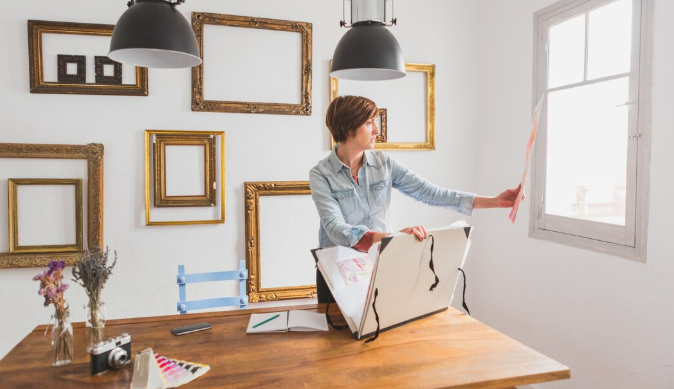
Applying the decoration guide homenumental means thinking beyond decoration and focusing on planning, proportion, and purpose. When you approach styling with structure, rooms feel intentional rather than random. This method ensures your décor choices support daily living while enhancing aesthetics.
By following the decoration guide homenumental, you’ll avoid common pitfalls and achieve balanced interiors that are both stylish and practical.
Conclusion
A well-decorated home is the result of planning, not impulse buying. This decoration guide homenumental provides a structured approach to color, lighting, furniture, and accessories that improves both beauty and function. By focusing on proportion, consistency, and purpose, you can transform every room into a comfortable and visually pleasing space that truly reflects your personality and lifestyle.
FAQs
1. What is the purpose of the Decoration Guide Homenumental?
The Decoration Guide Homenumental helps homeowners create stylish, comfortable, and functional living spaces. It focuses on combining modern trends with timeless design ideas that fit different home sizes and budgets. The guide offers practical tips for selecting furniture, colors, lighting, and decorative accessories without making rooms feel overcrowded. It also encourages personal creativity, allowing individuals to design spaces that reflect their lifestyle and personality. Whether decorating a new apartment or upgrading an old room, this guide provides inspiration for achieving a balanced and elegant home atmosphere.
2. How can Decoration Guide Homenumental improve small spaces?
Decoration Guide Homenumental provides smart ideas for maximizing limited spaces without sacrificing style. It recommends using multifunctional furniture, vertical storage solutions, and light color palettes to create the illusion of a larger room. Mirrors and proper lighting are also suggested to increase brightness and openness. The guide encourages minimal clutter and strategic placement of décor items for a clean appearance. Small apartments, bedrooms, or offices can become more comfortable and attractive by following these techniques. These practical decorating methods help transform compact areas into welcoming and visually spacious environments.
3. Why are colors important in Decoration Guide Homenumental?
Colors play a major role in influencing mood, atmosphere, and overall visual appeal in home decoration. Decoration Guide Homenumental explains how warm colors create cozy and energetic spaces, while cool shades promote calmness and relaxation. Neutral tones are recommended for timeless elegance and easy coordination with furniture and accessories. The guide also highlights the importance of balancing bold accents with softer backgrounds to avoid overwhelming the room. Choosing the right color combinations can improve natural light, enhance room size perception, and create a harmonious environment throughout the entire home.
4. What furniture choices are recommended in Decoration Guide Homenumental?
Decoration Guide Homenumental recommends selecting furniture that combines comfort, durability, and style. Instead of overcrowding rooms with oversized pieces, the guide suggests using furniture that fits the room dimensions properly. Functional designs such as storage beds, modular sofas, and extendable dining tables are highly encouraged. Natural materials like wood, linen, and metal add warmth and sophistication to interiors. The guide also advises homeowners to maintain balance between decorative and practical elements. Proper furniture arrangement improves movement, enhances room appearance, and creates a more organized and relaxing home environment.
5. How does lighting affect home decoration according to Decoration Guide Homenumental?
Lighting significantly impacts the beauty and functionality of any living space. Decoration Guide Homenumental emphasizes layering different types of lighting, including ambient, task, and accent lighting, to create depth and flexibility. Natural sunlight is encouraged whenever possible because it makes rooms feel brighter and healthier. Decorative fixtures such as pendant lights, chandeliers, and wall sconces can also serve as stylish focal points. The guide explains that proper lighting enhances furniture, highlights décor details, and influences mood. A well-lit room appears more inviting, comfortable, and visually balanced for everyday living.
6. What decorating trends are featured in Decoration Guide Homenumental?
Decoration Guide Homenumental highlights modern decorating trends that blend beauty with practicality. Popular styles include minimalist interiors, earthy color palettes, sustainable materials, and smart home features. Indoor plants are strongly recommended for adding freshness and improving air quality. The guide also supports mixing vintage elements with modern furniture for a personalized look. Textured fabrics, handmade accessories, and natural finishes continue to gain popularity because they create warmth and character. These decorating trends help homeowners design stylish spaces that remain functional, timeless, and suitable for changing lifestyle needs.
7. How can Decoration Guide Homenumental help create a cozy living room?
Decoration Guide Homenumental suggests combining soft textures, comfortable seating, and warm lighting to create a cozy living room atmosphere. Layered rugs, decorative cushions, and blankets add comfort and visual depth. Neutral color schemes mixed with subtle accent shades help maintain a peaceful environment. The guide also recommends arranging furniture to encourage conversation and relaxation. Personal touches such as artwork, family photos, and indoor plants make the room feel welcoming and unique. A cozy living room should balance aesthetics and functionality while offering comfort for family gatherings and everyday use.
8. What role do accessories play in Decoration Guide Homenumental?
Accessories are essential for adding personality and finishing touches to home interiors. Decoration Guide Homenumental encourages using decorative items such as vases, artwork, candles, mirrors, and cushions to enhance room style without excessive spending. Carefully chosen accessories can introduce color, texture, and visual interest into simple spaces. The guide advises avoiding clutter by selecting meaningful and coordinated pieces that complement the overall theme. Seasonal accessories can also refresh interiors throughout the year. Properly styled décor items create a more polished, inviting, and personalized home atmosphere for residents and guests.
9. How does Decoration Guide Homenumental support budget-friendly decorating?
Decoration Guide Homenumental offers many affordable decorating ideas that allow homeowners to improve interiors without overspending. It encourages repurposing old furniture, shopping secondhand, and using DIY decoration projects to reduce costs. Simple updates like repainting walls, changing curtains, or adding decorative lighting can make a significant difference. The guide also suggests prioritizing essential upgrades before purchasing luxury items. Mixing affordable décor with a few quality statement pieces creates an elegant appearance while maintaining budget control. These practical strategies help individuals achieve stylish homes without financial pressure or unnecessary expenses.
10. Why is personalization important in Decoration Guide Homenumental?
Personalization is important because it transforms a house into a meaningful and comfortable home. Decoration Guide Homenumental encourages homeowners to include elements that reflect their interests, memories, and lifestyle preferences. Unique artwork, travel souvenirs, customized furniture, and favorite color combinations help create a distinctive atmosphere. The guide explains that personalized spaces improve emotional comfort and make interiors feel more authentic. Instead of following trends blindly, homeowners should design rooms that support their daily routines and personal tastes. A personalized home feels more welcoming, inspiring, and emotionally connected to its residents.