Introduction
In recent years, homeowners looking for affordable, durable, and customizable housing options have shown increasing interest in pole construction homes. These structures, once primarily associated with agricultural buildings and storage barns, have evolved into stylish, modern residences that combine cost-effectiveness with strength and flexibility. What was once considered a rural or farm-based building method has now become a practical solution for families, retirees, and even luxury home seekers.
The growing popularity of homes is driven by lower construction costs, faster build times, and design versatility. Unlike traditional stick-built houses that rely on continuous foundations and load-bearing walls, this method uses large posts or poles set deep into the ground to support the structure. This simple yet powerful engineering concept makes it easier to construct spacious interiors without the need for multiple interior support walls.
Closely related to this method is pole barn home construction, a term that reflects the technique’s agricultural roots. Today, these homes are no longer just “barns.” They are comfortable, energy-efficient, and aesthetically appealing living spaces that can be customized to suit modern lifestyles.
In this article, we will explore everything you need to know about pole construction homes, including their benefits, design options, cost factors, construction process, and common misconceptions.
What Are Pole Construction Homes?
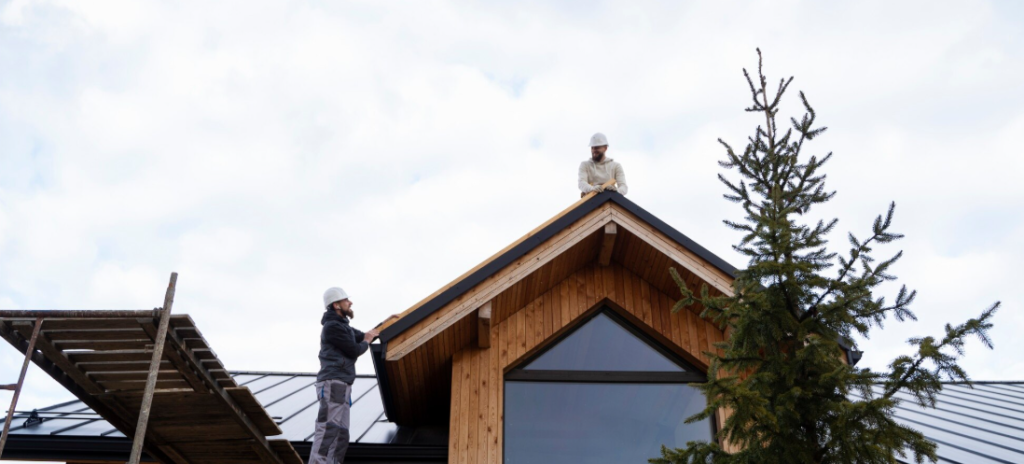
These are residential buildings constructed using large vertical poles (usually treated wood posts) embedded into the ground or attached to a concrete foundation. These poles support the roof and overall structure, eliminating the need for traditional load-bearing interior walls.
This building method is often associated with pole barn home construction, which originated as a way to build barns quickly and affordably. Over time, builders realized that the same method could be adapted for residential purposes.
The structure typically includes:
- Pressure-treated wooden poles
- Roof trusses attached to the poles
- Metal or wood siding
- Concrete slab floors
- Insulated walls and ceilings
The result is a strong, open-concept home with wide interior spaces and flexible layout options.
Advantages of Pole Construction Homes
1. Cost-Effective Building Method
One of the biggest advantages of pole construction homes is affordability. Because they require less excavation and a simpler foundation system, material and labor costs are generally lower compared to conventional houses.
Pole barn home construction also reduces the need for extensive framing lumber, which can significantly cut expenses.
2. Faster Construction Time
Since the structural posts are installed directly into the ground or onto simple footings, construction progresses quickly. Many pole construction homes can be completed in a shorter timeframe than traditional homes.
The simplified framing system allows builders to move from foundation to roofing faster, saving both time and labor.
3. Spacious Open Interiors
Because pole construction homes do not rely on interior load-bearing walls, homeowners can enjoy large open spaces. This makes them ideal for:
- Open-concept kitchens and living rooms
- Workshop areas
- Home offices
- Garage-integrated designs
This flexibility is one reason why pole barn home construction is becoming popular for custom residential designs.
4. Durability and Strength
The large support poles are deeply embedded and securely anchored, making pole construction homes resistant to strong winds and harsh weather conditions. When built properly with treated materials, they can last for decades.
Metal roofing and siding options further enhance durability, making maintenance easier.
5. Energy Efficiency Potential
With proper insulation and sealing, pole construction homes can be highly energy-efficient. Spray foam insulation and energy-efficient windows help maintain comfortable indoor temperatures year-round.
Modern pole barn home construction techniques often include insulated panels and moisture barriers to enhance performance.
Design Options and Customization

A common misconception is that pole construction homes all look like barns. In reality, design possibilities are nearly unlimited.
Exterior Design
You can choose from:
- Traditional farmhouse styles
- Modern industrial designs
- Rustic cabin appearances
- Contemporary suburban aesthetics
Siding options include metal panels, wood, brick veneer, and even stucco finishes.
Interior Layout
The open structural design of pole construction homes allows for creative interior layouts such as:
- Vaulted ceilings
- Loft areas
- Large window walls
- Attached garages or workshops
Because interior walls are non-load-bearing, remodeling is easier in the future.
Construction Process
Understanding the building process helps homeowners feel confident about choosing pole construction homes.
Step 1: Site Preparation
The land is cleared and leveled. Minimal excavation is required compared to traditional homes.
Step 2: Setting the Poles
Large treated posts are placed into deep holes and secured with concrete. This creates the primary support system for pole construction homes.
Step 3: Framing and Roof Installation
Roof trusses are attached to the poles, followed by purlins and roofing materials.
Step 4: Walls and Siding
Exterior wall framing is added between posts, and siding is installed. Insulation and moisture barriers are applied.
Step 5: Interior Finishing
Electrical, plumbing, drywall, flooring, and interior finishes complete the living space.
The efficiency of pole barn home construction makes this entire process quicker and often more affordable.
Cost Considerations
The cost of pole construction homes varies depending on:
- Size of the home
- Materials used
- Location
- Labor rates
- Interior finishes
Generally, basic pole barn home construction can cost significantly less per square foot than traditional stick-built homes. However, adding luxury finishes, custom kitchens, and high-end flooring can increase the overall price.
Still, many homeowners find that pole construction homes offer better value for the space they receive.
Are Pole Construction Homes Safe?

Yes, when built according to local building codes, pole construction homes are safe and structurally sound. Modern engineering techniques ensure proper wind resistance, insulation, and fire safety standards.
Working with experienced contractors who specialize in pole barn home construction is essential to ensure durability and compliance with regulations.
Maintenance Requirements
Maintenance for pole construction homes is relatively simple:
- Inspect poles for moisture damage
- Maintain exterior siding
- Check roof seals regularly
- Ensure proper drainage around the foundation
With proper care, these homes can last for generations.
Who Should Consider Pole Construction Homes?
Pole construction homes are ideal for:
- Rural property owners
- Families seeking affordable housing
- Individuals needing large garages or workshops
- DIY builders
- Investors looking for cost-effective rental properties
Because of their flexibility, pole barn home construction appeals to a wide range of homeowners.
Conclusion
The demand for pole construction homes continues to grow as more people discover their affordability, durability, and design flexibility. What once started as a practical agricultural building method has transformed into a smart residential solution. From open-concept living spaces to customizable exteriors, these homes provide modern comfort at a lower cost.
Whether you are building in a rural area or simply looking for a more budget-friendly alternative to traditional construction, pole construction homes offer a practical and attractive option. With advancements in insulation, design, and engineering, they are no longer just barns — they are full-featured, comfortable homes.
By understanding the benefits and process of pole barn home construction, homeowners can make informed decisions and create a living space that meets their needs and budget.
Frequently Asked Questions
1. Are pole construction homes cheaper than traditional homes?
Yes, pole construction homes are generally more affordable due to simpler foundations and reduced material costs.
2. How long do pole construction homes last?
With proper maintenance, pole construction homes can last 40–60 years or even longer.
3. Can pole construction homes look like regular houses?
Absolutely. Modern pole barn home construction allows for various architectural styles that look just like traditional homes.
4. Are pole construction homes energy efficient?
Yes, when properly insulated, pole construction homes can be very energy efficient.
5. Do pole construction homes require special permits?
Yes, like all residential buildings, pole construction homes must meet local building codes and permit requirements.