
Strata drainage problems affect more than one resident
When a sewer drain fails in a strata or body corporate property, the disruption can spread quickly. One blocked main line may affect multiple units, shared bathrooms, common areas, basement spaces, or external overflow points. Residents want the problem fixed quickly, but managers also need to think about access, cost, disruption, responsibility, and long-term reliability.
This is one reason sewer drain relining is becoming a preferred option in many suitable strata situations. It can repair certain damaged pipes from inside the existing line, which may reduce the need to dig through driveways, gardens, paths, or shared areas. For body corporates, less disruption can be just as important as the repair itself.
Why traditional excavation can be difficult in shared properties
Excavation is sometimes necessary, but it can be complicated in strata settings. Pipes may run under common driveways, landscaped areas, car parks, courtyards, concrete paths, or private lots. Digging can affect access, parking, noise, safety, and resident privacy. It may also require coordination between multiple owners, tenants, contractors, and managers.
When the affected pipe is suitable, pipe relining Adelaide strata managers consider can offer a less disruptive path. It does not remove every challenge, but it may reduce surface damage and simplify planning compared with digging up a shared area.
What sewer drain relining can solve
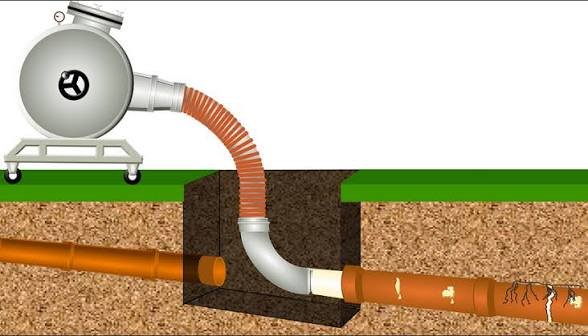
Sewer drain relining can be used for many pipes affected by cracks, root intrusion, small holes, and leaking joints, provided the pipe still has enough structure. The damaged line is cleaned and inspected before the liner is installed. Once cured, the liner forms a new internal surface that helps restore flow and reduce entry points for roots and wastewater leaks.
This can be useful in older strata properties where the same drain blocks repeatedly. Instead of clearing roots again and again, relining may address the damaged section that allows roots to enter. The key is confirming suitability through inspection before the body corporate approves the work.
Why managers like the reporting process
Body corporate and strata decisions often need clear evidence. CCTV drain camera inspection can provide footage and a report showing the damaged section, the likely cause, and the recommended repair. This helps committees understand why the work is needed and makes it easier to explain the issue to owners.
Good reporting can also reduce disputes. If the footage shows a damaged common drain, responsibility is clearer. If the issue is isolated to one lot or fixture, the manager can respond differently. In shared properties, a clear diagnosis can be as important as the repair method.
When relining is not the right choice
Sewer drain relining is not suitable for every pipe. If a line is fully collapsed, badly misaligned, undersized for the building’s needs, or affected by major structural problems, excavation or replacement may be needed. Relining also needs proper access and preparation. A pipe that cannot be cleaned or inspected properly may not be ready for lining.
A responsible plumber should explain these limits early. For strata managers, this helps avoid approving a solution that will not suit the site. The best recommendation comes from the pipe condition, not from choosing one method before inspection.
How strata properties can plan ahead
Strata managers and body corporates can reduce urgent disruption by investigating repeat drainage issues early. If the same stack, main sewer, or external overflow point causes trouble more than once, it is worth checking the underlying line. Keeping records of blockages, repairs, camera inspections, and resident reports can also help identify patterns.
Planned relining, where suitable, is usually easier to manage than emergency repair after a sewage backup. It allows access, notices, resident communication, and budgeting to be handled more calmly. It also helps protect shared areas from repeated disruption.
Conclusion
Sewer drain relining is becoming a practical first choice for many body corporates and strata managers because it can reduce disruption while addressing suitable pipe damage. It is not right for every line, but when CCTV inspection confirms the pipe is a good candidate, relining can help manage recurring sewer problems with less impact on residents and shared spaces. A careful diagnosis is the starting point for making the right decision.