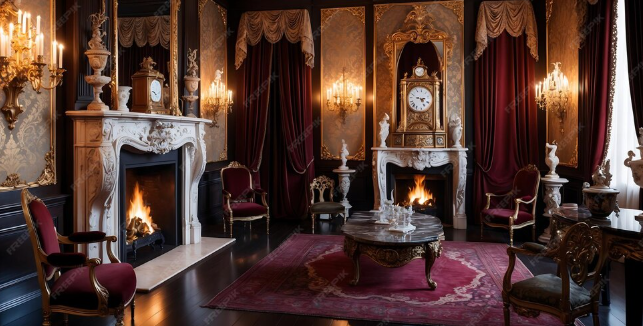
Victorian Home Interior: Timeless Elegance
The Victorian home interior style represents elegance, sophistication, and intricate beauty. Inspired by the reign of Queen Victoria, this design era reflects luxury, rich detailing, and artistic craftsmanship. Today, many homeowners still admire the charm of a Victorian home interior because it blends history with comfort. From ornate moldings to dramatic colour palettes, this style continues to influence modern décor trends.
If you love classic beauty, antique accents, and decorative elements, understanding the essence of a Victorian home interior can help you transform your space into something truly extraordinary. Let’s explore how you can recreate this timeless look in your own home.
The Origins of Victorian Design House Style
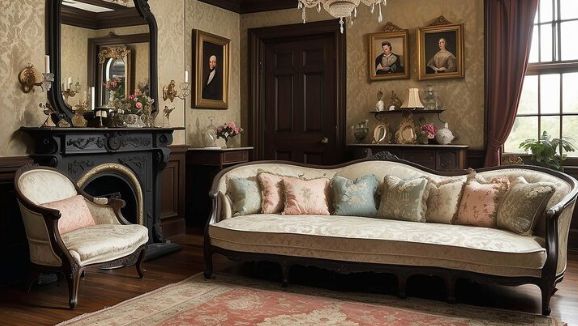
A traditional Victorian design house emerged during the 19th century in Britain and later became popular in America and other parts of the world. These homes were known for their elaborate architectural details, including high ceilings, bay windows, carved woodwork, and decorative fireplaces.
Inside, a victorian home interior typically featured:
- Heavy drapes and layered fabrics
- Ornate wallpapers with floral or damask patterns
- Dark wooden furniture with carved detailing
- Decorative ceiling medallions and chandeliers
The design was a reflection of wealth and status. Every room was carefully decorated to showcase elegance and refinement.
Key Elements of Victorian Style Interior Design
When discussing Victorian style interior design, several defining characteristics stand out. These elements work together to create a rich and dramatic atmosphere.
1. Rich and Dramatic Colors
Deep shades such as burgundy, emerald green, navy blue, and plum were popular. These bold tones formed the foundation of a classic Victorian home interior. Walls were often covered in patterned wallpaper rather than plain paint.
2. Ornate Furniture
Furniture pieces were made of dark woods like mahogany and walnut. Sofas and chairs were upholstered in velvet, brocade, or leather. Carved details and curved shapes were essential features.
3. Decorative Accessories
Accessories play a major role in completing a Victorian home interior. Common decorative elements include:
- Gilded mirrors
- Antique clocks
- Oil paintings in gold frames
- Lace curtains
- Porcelain figurines
Layering is key in Victorian style interior design, as empty spaces were rarely left bare.
Victorian Homes Modern Interior Design
Many homeowners today prefer Victorian homes’ modern interior design because it combines traditional elegance with contemporary comfort. Instead of overly dark rooms, modern interpretations use lighter color palettes while keeping classic details intact.
Here’s how to modernize a victorian home interior:
- Paint walls in softer neutral tones like cream or light gray.
- Keep original moldings and fireplaces as focal points.
- Mix antique furniture with minimalist modern pieces.
- Use statement lighting fixtures inspired by vintage designs.
This balanced approach allows you to enjoy the beauty of a Victorian home interior without making your space feel too heavy or outdated.
Beautiful Victorian Homes Interior Features
The charm of the beautiful Victorian home’s interior lies in its architectural details. Some standout features include:
High Ceilings and Crown Molding
Tall ceilings make rooms feel grand and spacious. Decorative crown moldings enhance the luxurious atmosphere of a Victorian home interior.
Grand Staircases
Many classic homes feature sweeping staircases with carved wooden railings.
Fireplaces as Focal Points
In most beautiful Victorian homes interior, fireplaces are central design elements. They often include marble surrounds and intricate tile work.
Patterned Floors
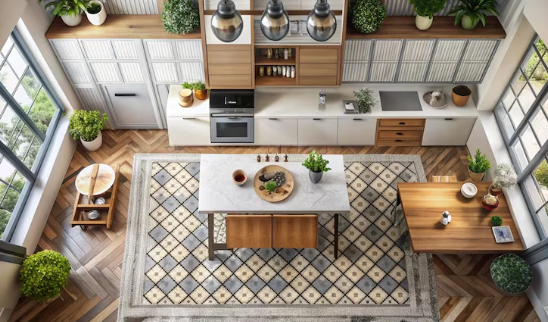
Tile mosaics and richly patterned carpets are common in traditional Victorian style interior design.
These features create a dramatic yet welcoming environment.
Choosing Interior Colors for Victorian Homes
Selecting the right interior colors for Victorian homes is essential for achieving authenticity. Historically accurate shades were deep and saturated, but modern homeowners can adjust the palette based on personal preference.
Traditional Color Ideas:
- Deep red and gold combinations
- Forest green with dark wood accents
- Royal blue paired with cream trim
Modern Color Alternatives:
- Dusty rose
- Soft sage green
- Warm beige with white molding
No matter which palette you choose, the goal is to maintain harmony and richness within the Victorian home interior.
Tips to Create Your Own Victorian Home Interior
If you want to design a victorian home interior, follow these simple steps:
- Start with statement wallpaper or textured paint.
- Invest in one or two antique-style furniture pieces.
- Add layered curtains and plush rugs.
- Incorporate decorative lighting such as chandeliers.
- Display vintage-inspired artwork and accessories.
Attention to detail is what truly defines a Victorian home interior. Even small touches can make a significant difference.
Conclusion
A Victorian home interior is more than just a decorating style; it is a celebration of history, craftsmanship, and timeless beauty. Whether you prefer a traditional victorian design house or lean toward Victorian homes modern interior design, this aesthetic offers endless possibilities. With rich colors, ornate furniture, and decorative accents, you can create a warm and elegant living space that reflects classic charm.
By carefully selecting interior colors for victorian homes and incorporating the defining elements of victorian style interior design, you can enjoy the sophistication found in beautiful victorian homes interior while still maintaining modern comfort.
Frequently Asked Questions
1. What defines a Victorian home interior?
A Victorian home interior is defined by rich colors, ornate furniture, decorative wallpaper, layered fabrics, and intricate architectural details.
2. Can Victorian style interior design work in small homes?
Yes, by using lighter colors and fewer heavy furnishings, you can adapt Victorian style interior design to smaller spaces.
3. What are the best interior colors for Victorian homes?
Deep jewel tones like burgundy, emerald, and navy are traditional, while soft neutrals offer a modern twist.
4. How can I modernize a Victorian design house?
You can mix antique pieces with contemporary furniture, simplify color schemes, and improve lighting to create balance.
5. Are Victorian homes modern interior design trends popular today?
Yes, many homeowners appreciate combining historical elegance with modern functionality for a timeless yet comfortable living space.