

Home Depot Plant Waste: guide the Policies and Practices
The supervision of plants and garden waste has become an urgent and critical issue for large sellers, and Home Depot plant waste practices have drawn attention in recent years. From seasonal plant disposals to leftover nursery stock, understanding how a huge retailer such as Home Depot handles plant waste is essential or necessary for both clients and environmentally conscious or aware gardeners.
Many people are inquisitive about Home Depot plant waste policies, best dumping methods, and how this affects gardening services at home. In this article, we will explore Home Depot’s approach, the concerns surrounding wasteful Home Depot plant disposal, and how customers can responsibly deal with plant waste at home.
Introduction: The Issue or Concern of Plant Waste

Garden centers and large home improvement or renovation retailers often deal with a large volume of live plants, shrubs, and flowers. Not all plants sell, and cycles of nature mean that unsold stock or inventory must be managed. This has sparked debate about Home Depot plant waste, wasteful Home Depot plant disposal, and the environmental effect of discarded or waste plants and pots.
For eco-conscious customers or clients, it’s important to know what happens to unsold plants and how they can contribute to reducing waste in their own gardening practices or services.
Home Depot’s Plant Waste Policy or Strategy
Managing Unsold Plants
A common question is: tell me more about Home Depot’s plant waste policy. Home Depot has policies in place to manage unsold or damaged plants responsibly. Unsold plants are often:
- Donated to public administrations or schools
- Composting through designated recycling programs
- Occasionally wasted if plants are unhealthy or cannot be rescued
While some examples of wasteful Home Depot plant disposal occur, the company has initiatives aimed at reducing the environmental footprint of nursery operations.
Recycling, Reusing and Composting
Home Depot emphasizes or highlights that plant waste, including soil and organic material, is often rerouted from landfills. Plant matter can be:
- Decomposed to produce nutrient-rich soil amendments or updates
- Ripped or torn and used in terrain projects or programmes
- Converted into mulch for store showcases
This policy or measure fits with their sustainability purposes and assists to minimize the negative or bad impact of Home Depot plants waste.
Plant Waste Difficulties
Seasonal Surplus or Excess Stock
One of the main factors of wasteful Home Depot plant disposal is seasonal demand or fluctuating needs. Some particular plants, flowers, and shrubs are only popular and famous during specific seasons. Unsold spring or summer plants may not be feasible to flip in the year.
Storage,Shelf Life and Expiry Duration
Live plants demand careful or protective storage and regular maintenance. Plants that show symptoms of disease, wilting, or bug invasion often cannot be sold, donating to wasteful Home Depot plant disposal.
Packaging, Wrapping and Pots
Another aspect of Home Depot plant waste includes pots and containers. Flower pots for outside use, often made of plastic, can gather if not sold, and Home Depot promotes reusing programs to manage and deal with this material.
Home Depot Flower Planters for Outdoor space

Many gardeners are involved in Home Depot flower pots for outside because the store offers a kind of size and materials perfect for patios or outdoor spaces, gardens, and landscaping. While these pots are durable, flexible scraps or damaged containers can add to store waste if not properly recycled.
Home Depot has programs to:
- Encourage or promote reuse of flower pots in-store and at home
- Recycle broken or damaged pots
- Reduce packaging waste connected with plant delivery
By understanding or comprehending these measures or strategies, customers can better appreciate how Home Depot tries to curb the environmental impact of Home Depot plant waste.
Squandering Resources Home Depot Getting rid of unwanted plants:
Concerns and Issues
Despite sustainability or eco-friendly efforts, there are criticisms concerning wasteful Home Depot plant disposal. These include:
- Large and huge quantities of unsold plants being discarded or wasted
- Plastic pots playing a part in landfill waste
- Seen as slow in donation or minimizing trash schemes
While the company works to reduce impact these issues, some customers feel more can be done to avoid Home Depot plant waste.
Home Waste for Gardening
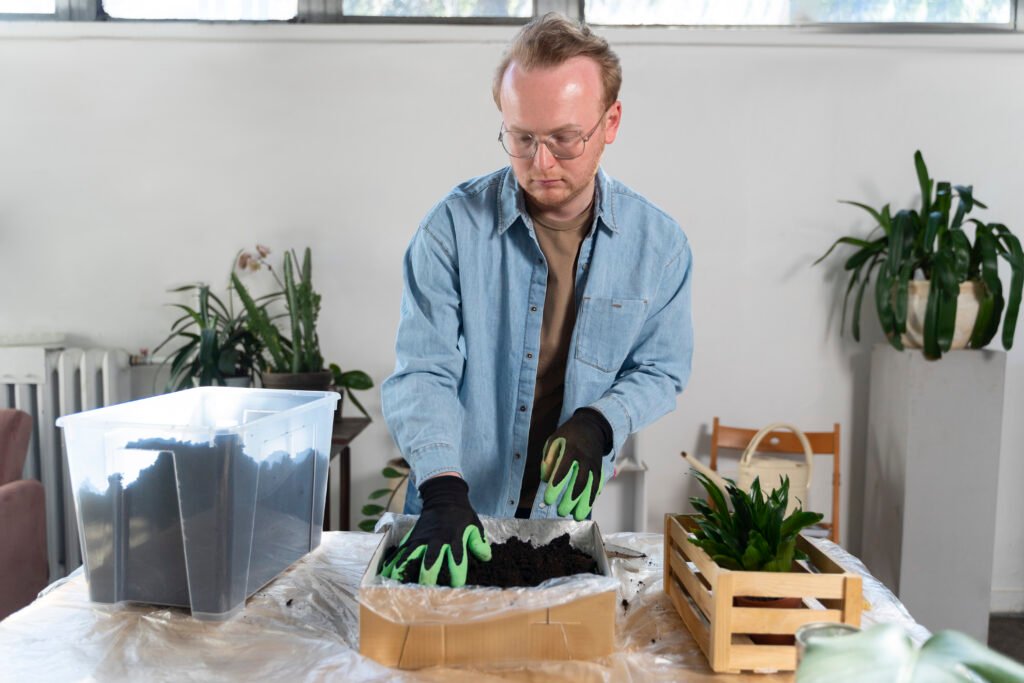
Customers can take inspiration or aspiration from Home Depot’s plant management practices to reduce their own garden waste. Home waste for gardening can include:
- Composting vegetable scraps and garden clippings
- Reusing pots, planters, and soil for new plants
- Mulching leaves and grass trimmings to enrich soil
By merging these practices, gardeners can minimize their environmental impact and create a unique home garden.
Tips and Measures for Minimizing Plant Waste at Home
Repurposing, Recycling and Upcycling Plants
- Spread cuttings or split and replant
- Share excess or more plants with neighbors, groups or community gardens
Reusing or Recycling Pots
- Clean and store unused flower pots for future planting
- Donate and give pots to schools or local gardening programs or topics
Composting and Natural recycling
- Compost, organic gold dead plant material and leaves to produce nutrient-rich soil
- Avoid disposing of organic matter in regular or routine trash
These strategies align or match with the core value of reducing wasteful Home Depot plant disposal and promote eco-friendly gardening practices.
Conclusion or Final Thoughts
Understanding Home Depot plant waste policies and practices is significant for both customers, clients and environmentally conscious gardeners. While some plant and pot waste is inevitable, Home Depot has initiatives to recycle, compost, and donate unsold plants wherever possible or viable.
By learning or grasping from these services, customers can minimize wasteful Home Depot plant disposal in their own homes, use home waste for gardening, and make aware decisions about purchasing Home Depot flower pots for outside.
The main point is that plant waste is a difficulty for large retailers, but with proper policies or strategies, recycling, and an accountable consumer attitude , its impact can be reduced.
Frequently Asked Questions
1. What happens or occurs to unsold plants at Home Depot?
Unsold plants are normally donated, composted, or occasionally discarded if unhealthy.
2. How does Home Depot deal with plant waste?
Home Depot uses recycling, composting, and donation programs to reduce Home Depot plants waste.
3. Can I recycle Home Depot flower pots for outside gardening or in the yard?
Yes, pots can be cleaned, reused at home, or contributed to schools and group gardens.
4. Why is there criticism or feedback about Home Depot’s plant disposal?
Critics point to wasted plants and plastic pots,boxes which pitch into landfill waste, as examples of wasteful Home Depot plant disposal.
5. How can I reduce my own gardening waste or trims?
Use home waste for gardening by composting, repurposing plant material or items, and reusing pots to reduce environmental impact.