
Measuring your space correctly or perfectly is the base of a stylish home. Many people dive into buying furniture without fully understanding or comprehending their room dimensions,size or scale which usually leads to messy or items that simply don’t suit. That’s why learning how to measure room for furniture is necessary before making any buy or rearrangement or switch up decision.
Whether you are decorating or embedding a new home or updating or renovating an existing one, taking exact measurements enables your furniture to fit comfortably, permits smooth movement, and improves the overall look of your space. In this guide, you will explore practical steps, tips, measures and strategies to check how to measure room for furniture effectively. There is most unique knowledge basis information for everyone.
Why Measuring Your Room Matters or Issues
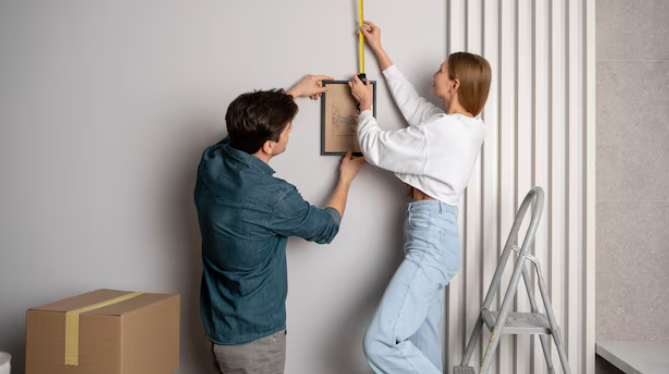
Before jumping into the process, it’s necessary to comprehend why knowing how to measure room for furniture is so valuable. Proper and perfect measurements assist you prevent costly issues and ensure your furniture complements or items your space rather than engulfs it.
Accurate and exact measuring allows you to:
- Choose or Select furniture that fits correctly
- Maintain or Balance proper spacing for movement
- Create a balanced and visually attractive layout
- Prevent or avoid delivery and placement issues or concerns
Without this method, even expensive or costly furniture can look awkward, uncomfortable or out of place.
Tools, Gadgets or Devices Required for Exact Measurement
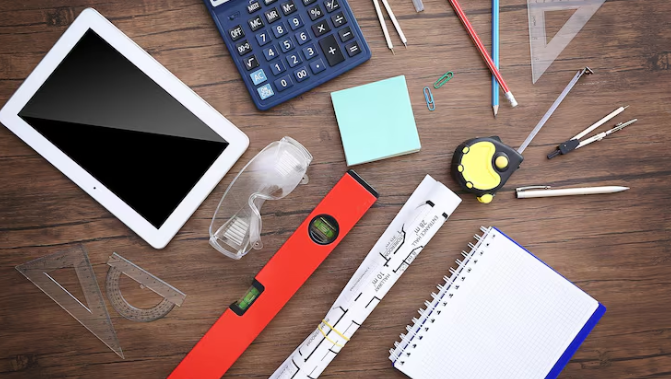
To properly and perfectly understand how to measure room for furniture, you need the right tools or items. Fortunately, the process is simple,easy and doesn’t require anything complicated or difficult.
Here’s what you’ll need:
- A measuring tape
- A notebook or paper
- A pencil
- Graph paper (optional)
- A laser measuring tool (optional)
Using accurate tools ensures your measurements are precise , accurate and reliable.
Step 1: Measure Room Dimensions or Size
The first step in learning how to measure room for furniture is measuring the overall size of your room.
- Measure the length from one wall to the other
- Measure the width across the room
- Record everything carefully and accurately
Always verify your measurements to avoid or prevent errors.
Step 2: Measure the Height of the Room
Another important and necessary part of how to measure room for furniture is understanding vertical space.
- Measure from floor to ceiling
- This helps when choosing tall furniture like cabinets or wardrobes
Ignoring or skipping height can lead to furniture that feels too large or squeezed.
Step 3: Account for Doors and Windows
When studying how to measure room for furniture, you must think of all the openings.
Measure:
- Door width and height
- Window size and placement
- Distance from the floor to windows
This ensures furniture won’t block access or natural light.
Step 4: Measure Entry Points
An important yet often overlooked or ignored step in how to measure room for furniture is checking entryways.
Measure:
- Door frames
- Hallways
- Staircases
This helps you confirm that your furniture can actually enter your home.
Step 5: Identify Fixed Features
Understanding how to measure room for furniture also includes identifying permanent and forever fixtures.
Take note of:
- Radiators
- Columns
- Built-in shelves
- Electrical outlets
These elements or items affect how and where furniture can be placed.
Creating and Building Room Layout Plan or Ideas

Once you know how to measure room for furniture, the next step is planning your layout.
Draw a Floor Plan
- Use graph paper to sketch and draw your room
- Mark walls, doors, and windows
- Add furniture placement ideas
This graphic method helps you plan effectively or productively without heavy lifting.
Try Digital or Visual Planning Tools
Another way to improve and enhance how to measure room for furniture is using digital tools or gadgets. These tools allow and permit you to experiment with layouts and visualize and analyze how furniture will look in your space.
Standard and Normal Spacing Guidelines
Spacing is a key part of mastering how to measure room for furniture.
Here are some general and normal rules:
- Leave 30–36 inches for walking paths
- Keep 14–18 inches between a sofa and coffee table
- Allow or Permit enough room for chairs to move comfortably
These guidelines or policies ensure your room remains functional , relaxed and comfortable.
Measuring Furniture Dimensions
Knowing how to measure room for furniture also means understanding furniture sizes.
Always check:
- Width
- Depth
- Height
Compare these dimensions with your room measurements or measures before making a purchase.
Common and Typical Mistakes to Avoid

Even when people try to learn how to measure room for furniture, mistakes can occur.
Ignoring or Skipping Proportions
Furniture may fit, outstanding but still look too large or too small.
Not Leaving Enough or Sufficient Space
Rooms can feel cramped without proper spacing.
Forgetting and Ignoring Entry Measurements
Furniture must fit through doors and hallways.
Rushing and Speeding the Process
Exact measuring takes time but prevents future problems.
Avoiding these mistakes will help you create a better layout.
Tips and Tricks for Measuring Different Rooms
Living Room
When applying how to measure room for furniture in a living room:
- Focus on seating arrangement
- Ensure enough space for movement
- Avoid overcrowding
Bedroom
For bedrooms, how to measure room for furniture helps you:
- Position the bed properly
- Leave space for side tables
- Maintain or Balance walking space
Dining Room
In dining spaces, how to measure room for furniture ensures:
- Chairs have enough space
- The table fits comfortably
- Movement remains easy
Use the Tape Layout Method or Strategy
A practical and useful trick in understanding how to measure room for furniture is using tape.
- Mark furniture dimensions,size or shape on the floor
- Walk around the layout
- Adjust placement as needed
This method gives a realistic, practical and comfortable feel of how your space will look.
Think About Future Changes and Switches
Another smart tip when learning how to measure room for furniture is planning ahead.
Choose furniture that:
- Can be rearranged or reorganized easily
- Fits different layouts
- Adapts to future needs
This adds flexibility, elasticity and long-term value.
Importance and Significance of Balance and Proportion
An essential part of mastering how to measure room for furniture is maintaining balance.
- Avoid or prevent placing large furniture in small rooms
- Mix different sizes for visual interest
- Keep symmetry and proportion where possible
A well-balanced room feels more inviting and comfortable.
Final Thoughts
Learning how to measure room for Ottoman furniture is one of the most important and significant steps in creating a functional and beautiful and amazing living space. It assists you make smarter, easier decisions, prevent unnecessary expenses, and design a room that truly works for your lifestyle.
By carefully or properly measuring your room, considering spacing, and planning your layout, you can ensure that every piece of furniture suits perfectly and enhances your home. Take your time, follow the steps, methods and always confirm your measurements for the best results.
Frequently Asked Questions
1. What is the first step in how to measure room for furniture?
Start by measuring the length and width of the room accurately.
2. Why is spacing or gap important in how to measure room for furniture?
Spacing ensures comfort, easy movement, and a balanced layout.
3. Should I measure and gauge doors and windows too?
Yes, they are essential to avoid blocking access and light.
4. How do I know if furniture will fit or suits?
Compare furniture dimensions with your room measurements carefully.
5. Can I plan my room without sketching?
You can, but drawing makes planning much easier and more convenient.