
Introduction
A commissary kitchen is an essential solution for modern food entrepreneurs. Whether you operate a food truck, catering service, or small food brand, having access to a professional shared kitchen helps you meet legal requirements, improve food safety, and reduce costs. Today, many startups rely on commissary kitchens to prepare meals, store ingredients, and grow their businesses efficiently. Understanding the kitchen meaning, costs, design, and requirements can help you choose the right facility and succeed in the food industry.
1. Understanding the Importance of a Commissary Kitchen

A Commissary Kitchen is a shared commercial cooking facility designed for food entrepreneurs, caterers, bakers, and food truck operators. These kitchens provide licensed spaces where businesses can legally prepare, cook, and store food products. Many startups choose a Commissary Kitchen because it offers access to professional equipment without requiring a large financial investment. Entrepreneurs can focus on building their brand while maintaining food safety standards and reducing operational costs. As the food industry grows, shared kitchen facilities continue to support businesses looking for affordable and flexible cooking spaces.
2. How a Commissary Kitchen Helps Food Truck Owners

Food truck operators depend heavily on a Commissary Kitchen for their daily operations. In many cities, food trucks are legally required to use a licensed kitchen for food preparation, cleaning, and storage. A Commissary Kitchen provides secure storage areas, water supply stations, and sanitation facilities that help businesses meet health department regulations. By using a shared kitchen space, food truck owners can prepare ingredients efficiently and focus more on serving customers at events and busy locations. This setup improves productivity while keeping operational expenses manageable.
3. Benefits of Renting a Commissary Kitchen

Renting a Kitchen offers many advantages for small food businesses and startups. Entrepreneurs can access industrial ovens, refrigerators, prep tables, and storage facilities without purchasing expensive equipment. A Kitchen also reduces maintenance costs because utilities and cleaning services are often shared among users. Flexible rental plans allow businesses to pay only for the time they need, making it easier to manage budgets. These shared facilities create opportunities for networking and collaboration between chefs, bakers, and food entrepreneurs working in the same environment.
4. Why Startups Prefer a Commissary Kitchen
Many restaurant and catering startups prefer a Kitchen because it minimizes financial risks during the early stages of business development. Building a private commercial kitchen can be extremely expensive, especially for new entrepreneurs with limited budgets. A Commissary Kitchen provides affordable access to licensed facilities and professional cooking equipment. Startups can test recipes, build customer demand, and improve their services before investing in a permanent location. This flexible business model allows entrepreneurs to grow gradually while maintaining high-quality food production standards.
5. Health and Safety Standards in a Commissary Kitchen

Health and safety are major priorities in every Kitchen facility. These kitchens follow strict sanitation guidelines established by local health authorities to ensure proper food handling. Temperature-controlled storage, cleaning stations, and pest management systems help maintain a hygienic environment for food preparation. Many Kitchen operators require users to complete food safety training before accessing the facility. Maintaining a clean and organized workspace helps businesses avoid contamination risks and build customer trust in their food products and services.
6. Equipment Available in a Commissary Kitchen
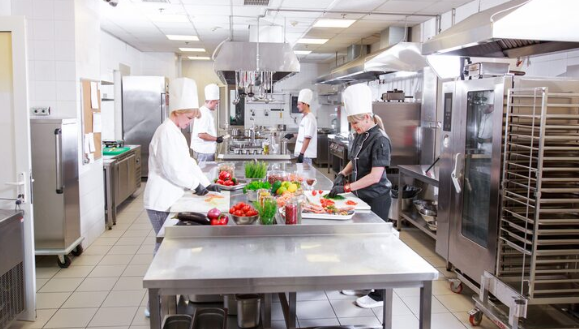
A modern Kitchen includes professional-grade appliances and tools designed for large-scale food production. Common equipment includes commercial ovens, freezers, refrigerators, mixers, stovetops, and stainless-steel preparation tables. Some facilities also provide specialty cooking equipment for baking, frying, smoking, or packaging products. A Kitchen allows businesses to use advanced equipment without making major investments in machinery. This access improves efficiency, increases production capacity, and supports consistent food quality for growing food businesses.
7. Commissary Kitchen Solutions for Meal Prep Businesses
Meal prep companies rely on a Commissary Kitchen to manage bulk food preparation and packaging operations. These businesses require large workspaces, cold storage, and professional cooking equipment to meet customer demand efficiently. A Kitchen provides organized preparation areas that help meal prep businesses maintain freshness and food safety. Shared commercial kitchens also reduce operating expenses, allowing entrepreneurs to invest more in marketing and customer service. As healthy eating trends continue to rise, many meal prep companies use shared kitchens to scale their businesses successfully.
8. Choosing the Right Commissary Kitchen
Selecting the right Kitchen is an important decision for food entrepreneurs. Business owners should evaluate factors such as location, rental costs, cleanliness, available equipment, and operating hours before signing an agreement. A conveniently located Kitchen can reduce transportation time and improve daily efficiency. Entrepreneurs should also inspect the facility carefully to ensure it meets health regulations and professional standards. Some shared kitchens provide additional services such as licensing assistance, business consulting, and networking opportunities that support long-term business growth.
9. The Future Growth of the Commissary Kitchen Industry
The Kitchen industry is expanding rapidly because of increasing demand for food delivery services and virtual restaurants. Many entrepreneurs now operate online food businesses without opening traditional dining spaces. A Kitchen provides an affordable solution for these businesses by offering licensed cooking facilities and commercial equipment. Technology is also improving the industry through online booking systems, inventory management, and delivery partnerships. As customer demand for convenient food services grows, shared kitchens are expected to become even more important in the modern food market.
10. Why a Commissary Kitchen Is Essential for Modern Food Businesses
A Commissary Kitchen plays a vital role in helping food businesses operate legally, efficiently, and affordably. From food trucks and caterers to bakers and meal prep companies, many entrepreneurs depend on shared kitchen facilities to support daily operations. A Kitchen provides professional equipment, flexible rental plans, and compliance with health regulations, making it easier for businesses to grow successfully. These kitchens also encourage collaboration and innovation within the food industry. As the culinary market continues to evolve, shared commercial kitchens will remain a valuable resource for startups and established businesses alike.
What Is a Commissary Kitchen?
The kitchen definition refers to a licensed commercial food preparation space that multiple businesses can rent. In simple words, what’s a commissary kitchen? It is a shared facility where food businesses cook, store, clean, and prepare food under health department regulations.
Many entrepreneurs search for a kitchen commissary near me because it allows them to operate legally without building their own commercial kitchen.
Why Food Trucks Need Commissary Kitchens
A food truck commissary is extremely important for mobile food vendors. Most cities require food trucks to be connected to a food truck kitchen before they can get permits.
A food truck kitchen near me provides:
- Safe cooking areas
- Water refill stations
- Waste disposal
- Food truck storage space
This ensures hygiene and smooth operations.
Kitchen Costs and Rental Details
The kitchen rental cost depends on location, equipment, and usage hours. On average, the kitchen cost ranges from hourly fees to monthly membership plans.
Many startups prefer rental kitchens because building one from scratch requires a large investment.
Kitchen Requirements and Agreements
Before starting, you must understand kitchen requirements. These include:
- Health department approval
- Food safety certification
- Storage compliance
- Proper cleaning standards
Businesses also sign a commissary agreement that outlines rental terms, responsibilities, and usage rules.
Choosing the Right Kitchen
Choosing the right commissary kitchen is very important for business success. When selecting one, consider:
- Location convenience
- Equipment availability
- Storage capacity
- Cost structure
Many entrepreneurs also create a kitchen business plan before renting a facility.
Kitchen Design and Setup
A good commissary kitchen design includes:
- Food preparation zones
- Storage areas
- Cleaning stations
- Cooking equipment layout
If you want to know how to start a commissary , you must focus on licensing, layout planning, equipment purchasing, and market demand.
Kitchen Books and Learning Resources
Many people learn from guides like the kitchen book or kitchen cookbook. These resources provide insights on kitchen management, food safety, and business growth strategies.
Popular Commissary Kitchenes Locations
Many cities offer shared kitchen spaces such as:
- kitchen seattle in Seattle including kbm seattle kitchen
- kitchen denver in Denver
- kitchen orlando in Orlando
- albuquerque kitchen in Albuquerque
- kitchen colorado springs in Colorado Springs
Other well-known facilities include:
- vida kitchens – las vegas kitchen in Las Vegas
- burlington food hall and kitchen in Burlington
- chefs kitchen
- truck yard kitchen
- lone star kitchen and commissary
- the block kitchen & events
- brookshire commercial kitchen rental
- all better products commissary kitchen
- my kitchen
Recent news such as frisch’s kitchen layoffs also shows how these facilities play a major role in the food industry.
Common Misspelling: Comissary Kitchen
Many people search for kitchen (with one “m”), but the correct spelling is commissary kitchen.
Conclusion
A commissary kitchen is a powerful resource for food entrepreneurs. It provides a safe, legal, and cost-effective environment for cooking, storage, and food preparation. Whether you run a food truck, catering service, or startup food brand, using a commissary kitchen helps you grow faster and operate professionally. By understanding costs, requirements, and design factors, you can choose the right facility and build a successful food business.
FAQs
1. What Is a Commissary Kitchen?
A commissary kitchen is a licensed commercial cooking facility used by food businesses for preparing, cooking, and storing food products. Many entrepreneurs choose a kitchen because it offers professional equipment and helps businesses comply with health department regulations. Food trucks, caterers, and bakers often rely on a kitchen to operate legally and efficiently while reducing startup costs.
2. Why Is a Commissary Kitchen Important for Food Businesses?
A commissary kitchen is important because it provides a safe and professional environment for food preparation. Businesses can access commercial-grade appliances, storage spaces, and sanitation systems without building a private kitchen. A kitchen also helps entrepreneurs meet food safety standards and maintain high-quality service for customers in the competitive food industry.
3. Who Can Use a Commissary Kitchen?
Many types of food businesses can use a kitchen, including food truck owners, caterers, bakers, meal prep companies, and restaurant startups. A kitchen is ideal for entrepreneurs who need licensed kitchen space but cannot afford a full commercial property. Shared kitchen facilities provide flexibility and affordable rental options for growing businesses.
4. How Does a Commissary Kitchen Help Food Trucks?
Food truck operators depend on a kitchen for food preparation, cleaning, and storage. In many cities, food trucks are legally required to use a kitchen to meet health regulations. These facilities provide water access, waste disposal systems, and secure storage areas, helping food truck businesses maintain sanitation and improve daily operations.
5. What Equipment Is Found in a Commissary Kitchen?
A kitchen usually contains industrial ovens, refrigerators, freezers, prep tables, mixers, and cooking stations. Some kitchen facilities also offer specialty equipment for baking, frying, or packaging food products. Access to professional equipment helps businesses improve efficiency and produce high-quality meals without major financial investment.
6. Is a Commissary Kitchen Affordable for Startups?
Yes, a kitchen is often much more affordable than building a private commercial kitchen. Entrepreneurs can rent kitchen space by the hour or through monthly plans based on their business needs. A kitchen reduces operational costs by sharing utilities, maintenance, and equipment among multiple businesses working in the same facility.
7. How Does a Commissary Kitchen Support Meal Prep Services?
Meal prep businesses benefit greatly from using a kitchen because they need large spaces for bulk cooking and food packaging. A kitchen provides refrigerated storage, commercial appliances, and organized workstations. This setup helps meal prep companies maintain food freshness, improve efficiency, and manage growing customer demand successfully.
8. What Are the Health Benefits of a Commissary Kitchen?
A kitchen follows strict sanitation and food safety guidelines established by local health authorities. These kitchens include proper cleaning systems, temperature-controlled storage, and pest management procedures. Operating from a commissary kitchen helps businesses prevent contamination and maintain customer trust by ensuring safe food handling practices.
9. Can Bakers Work in a Commissary Kitchen?
Yes, many bakers use a kitchen to prepare cakes, pastries, cookies, and bread products. A kitchen provides commercial ovens, mixers, and large prep areas that support large-scale baking operations. This allows bakery businesses to grow production while avoiding the high costs of building a private bakery facility.
10. What Should You Look for in a Commissary Kitchen?
When choosing a kitchen, business owners should consider location, pricing, cleanliness, equipment quality, and storage options. A well-maintained kitchen improves productivity and supports food safety compliance. Some facilities also provide additional business support services, flexible scheduling, and networking opportunities for food entrepreneurs.
11. Why Are Commissary Kitchens Becoming More Popular?
The popularity of the commissary kitchen industry is growing because of increased demand for food delivery, catering, and virtual restaurants. Many entrepreneurs prefer a commissary kitchen because it offers affordable and flexible commercial space. As online food ordering continues to expand, shared kitchens are becoming an essential solution for modern food businesses.
12. What Is the Future of the Commissary Kitchen Industry?
The future of the kitchen industry looks promising as more startups enter the food service market. A kitchen provides affordable infrastructure, professional equipment, and legal compliance for growing businesses. With the rise of delivery-only restaurants and meal prep services, commissary kitchen facilities are expected to remain a key part of the modern food industry.