Roofing projects often look straightforward from the ground, but anyone in construction knows that moving materials to the roof can be one of the most challenging parts of the job. Roofing shingles, metal panels, trusses, insulation bundles, solar components, and other building materials can weigh thousands of pounds. Getting these materials from the ground to their final position safely and efficiently requires careful planning, specialized equipment, and experienced crews.
Modern contractors rely on a combination of heavy-lift equipment, rigging hardware, and below-the-hook lifting equipment to streamline roofing projects and reduce risks to workers and property.
The Challenges of Lifting Roofing Materials
Unlike many construction tasks performed at ground level, roofing work introduces additional hazards because of elevation, limited access points, and changing weather conditions. Roofing Materials often must be lifted over existing structures, landscaping, fences, and other obstacles before reaching the work area.
Manual handling is not only time-consuming but also increases the risk of injuries. Carrying heavy Roofing Materials up ladders places significant strain on workers and increases the risk of falls, dropped loads, and material damage. As roofing projects become larger and more complex, contractors increasingly turn to mechanical lifting solutions to improve safety and productivity.
Why Mechanical Lifting Is Essential
Heavy lifting equipment enables roofing crews to transport Roofing Materials quickly while minimizing physical strain on workers. By reducing manual handling, contractors can complete projects faster and maintain a safer work environment.
Mechanical lifting solutions provide several benefits:
- Faster delivery of materials to elevated work areas
- Reduced worker fatigue and injury risk
- Improved job site efficiency
- Better load control during lifting operations
- Less damage to roofing materials during transport
Whether installing asphalt shingles on a residential home or placing steel Roofing Materialspanels on a commercial building, lifting equipment helps ensure materials arrive exactly where they are needed.
Common Equipment Used for Roofing Material Lifts
Different roofing projects require different lifting solutions. Contractors often use cranes, telehandlers, forklifts, boom trucks, and material hoists, depending on the project’s size and scope.
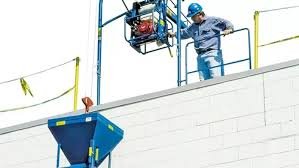
Cranes are commonly used to lift large bundles of shingles, roof trusses, HVAC equipment, or prefabricated building components. Telehandlers offer excellent reach and maneuverability on smaller construction sites, while material hoists efficiently transport roofing supplies directly to the roof deck.
The equipment itself is only one part of the process. Safe lifting also depends on properly selected rigging components and lifting attachments.
The Importance of Below-the-Hook Lifting Equipment
One of the most important categories of lifting equipment on construction sites is below-the-hook lifting equipment. These attachments connect the load to the lifting machine and play a critical role in maintaining load stability and control.
Below-the-hook lifting equipment can include lifting beams, spreader bars, lifting frames, pallet lifters, material baskets, and specialty lifting attachments for specific materials.
For roofing projects, these devices help contractors securely lift bulky or awkward loads that may be difficult to handle with standard rigging alone. By distributing weight more evenly, they reduce stress on lifting points and improve load balance throughout the lift.
For example, a spreader bar can help lift long roofing materials without bending or damaging them. Material baskets allow crews to safely transport tools, fasteners, and supplies to elevated work areas. Lifting beams can provide additional stability when handling large palletized loads of roofing materials.
Rigging Hardware That Helps Keep Loads Secure
Successful lifting operations rely on more than just cranes and lifting attachments. Rigging hardware serves as the link between the load and the lifting equipment.
Common rigging components for roofing projects include wire rope slings, synthetic web slings, chain slings, shackles, master links, hooks, and lifting clamps.
Synthetic web slings are often preferred for handling finished roofing materials because they help prevent scratching or surface damage. Chain slings offer excellent durability for heavier loads, while wire rope slings provide strength and versatility across a wide range of lifting applications.
Shackles and master links create secure connection points between slings and lifting devices, helping ensure the load remains properly attached throughout the operation.
Planning Every Lift Before It Happens
Safe lifting begins long before materials leave the ground. Contractors carefully evaluate each lift to determine the appropriate equipment, rigging configuration, load weight, and lifting path.
Factors that must be considered include:
- Total load weight
- Load dimensions
- Roof access points
- Ground conditions
- Equipment capacity
- Wind and weather conditions
- Potential obstacles near the lift area
Proper planning helps prevent equipment overload and reduces the likelihood of unexpected challenges during the lift.
Experienced crews also conduct equipment inspections before each operation. Slings, hooks, shackles, and below-the-hook lifting devices should be regularly inspected for signs of wear, damage, or deformation.
Improving Efficiency on Modern Roofing Projects
In today’s construction environment, efficiency is as important as safety. Manual material handling delays can significantly affect project schedules and labor costs.
By using cranes, telehandlers, and specialized lifting attachments, contractors can place large quantities of materials directly where crews need them. This minimizes unnecessary movement across the roof and allows installers to focus on roofing work.
Efficient lifting practices can also help reduce material waste. Controlled lifts reduce the risk of dropped bundles, damaged products, and unnecessary handling, all of which contribute to better project outcomes.
Final Thoughts
Roofing projects involve far more than installing shingles or metal panels. Behind every successful job is a carefully planned material handling strategy that prioritizes both safety and efficiency. Contractors rely on cranes, telehandlers, rigging hardware, and specialized below-the-hook lifting equipment to move heavy roofing materials with precision and control.
From lifting beams and spreader bars to slings, shackles, and material baskets, the right equipment helps crews complete roofing projects faster while protecting workers and materials. As roofing systems continue to evolve and projects become more demanding, professional lifting and rigging solutions will remain an essential part of safe and efficient construction practices.